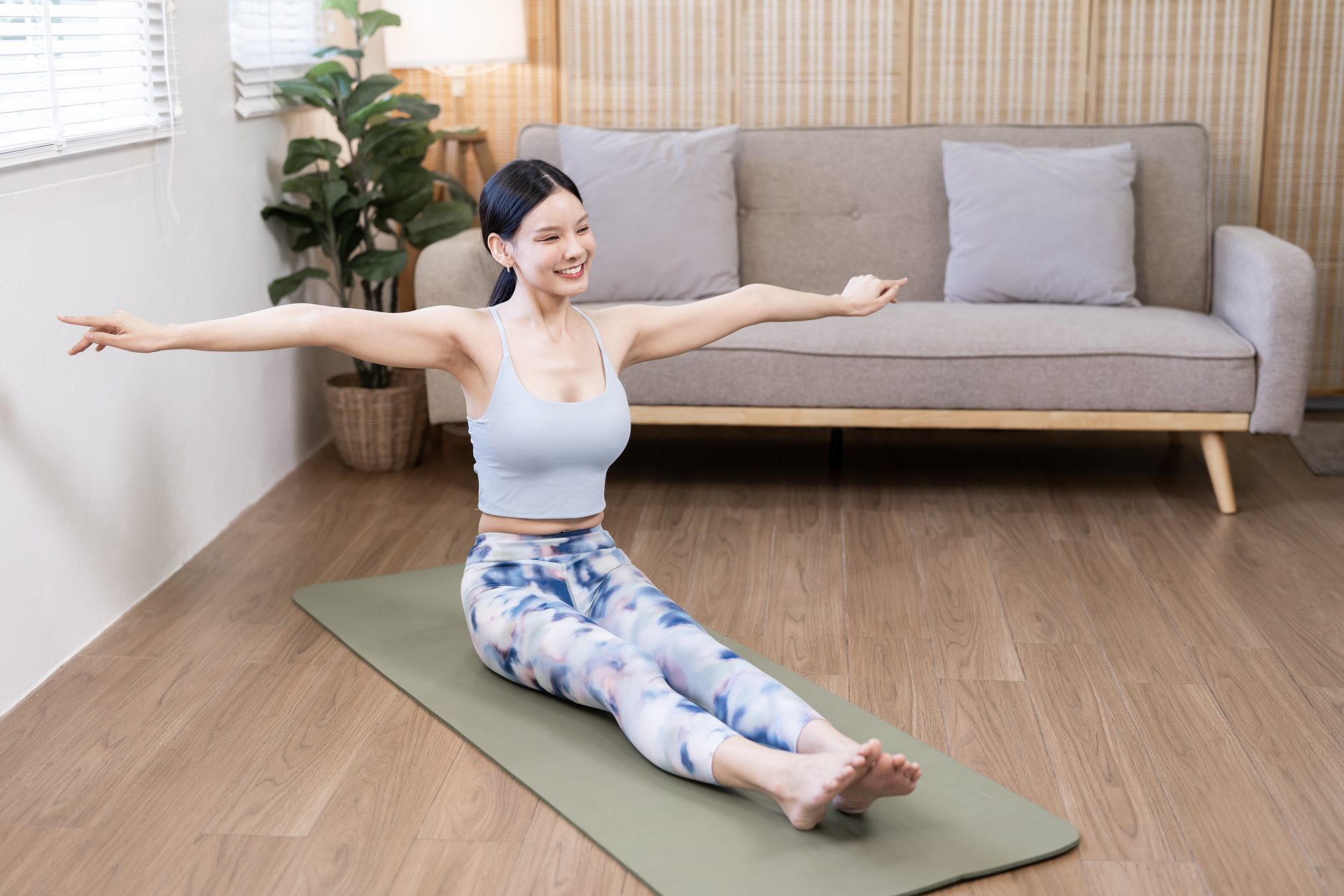
Lymphatic drainage exercises are movement patterns specifically designed to stimulate the lymphatic system — a network of vessels and nodes that carries metabolic waste, fluid, and immune cells through the body, as described by the . Where the cardiovascular system has the heart as its pump, the lymph system has only muscle contraction, deep breathing, and gravity. Without movement, lymph stagnates. Stagnant lymph commonly shows up as swelling, dull-looking skin, low energy, and slower recovery from minor illness.
These exercises differ from cardio or strength work. They are gentle, rhythmic, and often inversion-based — bouncing, deep diaphragmatic breathing, ankle pumps, and legs-up-the-wall poses. Intensity is low; rhythm and consistency are everything. The diaphragm acts as a secondary lymph pump, which is why every effective lymph routine starts with breath work.
Quick clarification: Lymphatic drainage exercises are not the same as manual lymphatic drainage massage. Massage uses light skin-direction strokes performed by a trained therapist; exercises use gross body movement to drive the same fluid mechanically. Both work; this guide covers the exercise approach.
For a closely related programme covering blood flow as well, see our .
Benefit 1: Reduced Swelling and Puffiness
The most immediate benefit. Daily lymphatic drainage exercises noticeably reduce ankle, finger, and facial puffiness in 7–14 days. People often comment that the face looks more “sculpted” — that’s the fluid clearing, not fat loss.
Benefit 2: Better Immune Cell Circulation
Lymph nodes are where immune cells are trained and stored, per the . When lymph moves well, immune cells circulate efficiently. Research links regular lymphatic-stimulating movement to fewer respiratory infections per year and faster recovery times after minor illness.
Benefit 3: Smoother, Lighter-Feeling Skin
Stagnant lymph in connective tissue contributes to a heavy, congested feeling in the legs. Daily lymph drainage, especially leg-focused, can leave skin feeling smoother and legs feeling lighter within 8–10 weeks. are particularly useful here.
Benefit 4: Lower Inflammation and Better Energy
Chronic low-grade inflammation contributes to fatigue. By helping clear metabolic waste, lymphatic drainage exercises can lift baseline energy noticeably. Pair with our broader programme for legs that feel lighter all day.
Exercise 1: Diaphragmatic Breathing — Whole-Body Lymph Pump — 5 minutes
Lie on your back, hand on belly. Inhale 4 seconds (belly rises), exhale 6 seconds (belly falls). The diaphragm is the body’s largest secondary lymph pump. Always start every session here.
Exercise 2: Mini-Trampoline Bouncing (or Heel-Drop) — Whole-Body Lymph — 3–5 minutes
Bounce gently with feet still on a small trampoline, or stand and rise to toes then drop heels rhythmically. The vertical motion under gravity mechanically drains lymph upward toward the thoracic duct.
Exercise 3: Legs-Up-the-Wall — Lower-Body Drainage — 5–10 minutes
Lie on your back, legs vertical against a wall. Reverses gravitational pooling and is the single most useful pose for swollen ankles and heavy legs. Add ankle circles for extra effect.
Exercise 4: Ankle Pumps and Calf Raises — Leg Lymph — 2 minutes each
Sit or lie down, flex and point the feet 20 times; then stand and rise on toes 20 times. The calf muscles are the primary lower-body lymph pump.
Exercise 5: Cat-Cow — Spine and Abdominal Lymph — 10 reps
On all fours, alternate arching and rounding the spine. Mobilises lymph in the abdominal cavity and spine.
Exercise 6: Arm Circles and Shoulder Rolls — Upper-Body and Axillary Lymph — 1 minute each direction
Big arm circles backward and forward. Lymphatic drainage exercises for arms and chest drain the axillary (armpit) nodes — particularly relevant during recovery from minor illness or after consultation with your doctor post-surgery.
Exercise 7: Face Tapping and Neck Rolls — Face Lymph — 2 minutes
Gently tap fingertips along the jawline, under the eyes, and along the collarbone; finish with slow neck rolls. Lymphatic drainage exercises for face reduce morning puffiness within days.
Mistake 1: Doing Them Too Hard — Correction: Stay Gentle
Unlike strength training, more intensity does not equal more lymph drainage. High-intensity exercise can actually constrict superficial lymph vessels temporarily. Keep effort at 4–5 out of 10.
Mistake 2: Skipping the Breath Work — Correction: Always Start With Breath
Without diaphragmatic breathing the rest of the routine accomplishes about half of what it could. Five minutes of breath at the start is non-negotiable.
Mistake 3: Doing It Once a Week — Correction: Daily, Even If Brief
Lymph drainage works on consistency, not intensity. Ten minutes daily beats a 90-minute session weekly, every time.
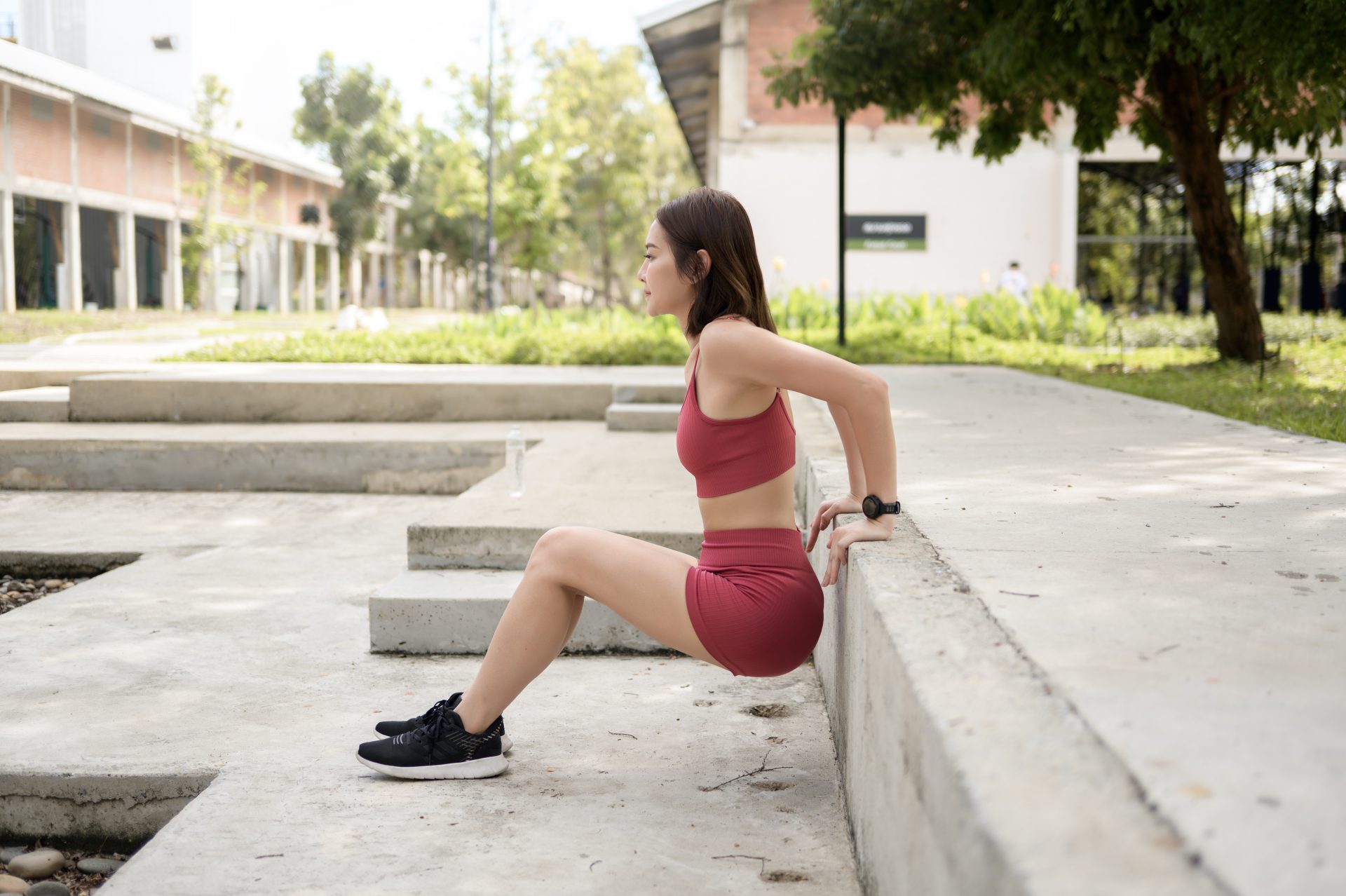
Lymph-Optimal Sequencing in Every Session
Habuild yoga sessions targeting the lymph system always open with diaphragmatic breath, layer in rhythmic lower-body work, finish with inversions, and close with face and neck drainage.
Live Daily Sessions With Real-Time Correction
The instructor catches the most common error — going too hard — in real time, plus shallow breathing and skipped inversions. Pre-recorded video can’t see this.
Progressive Daily Practice, Not Aggressive Programming
Lymph drainage doesn’t need progressive overload — it needs daily consistency. Habuild’s structure is built for that exact need.
Streaks, Community, Accountability
The fixed morning slot, daily streak, and community group close the consistency gap that wrecks most lymph routines.
Complete Beginners Starting from Zero
Lymphatic drainage exercises begin with the gentlest movements — diaphragmatic breathing, ankle pumps, and light arm raises — all done lying or seated with no equipment. They are appropriate even for those in active recovery from surgery or illness. The only requirement is showing up consistently — strength and technique follow from that.
Intermediate Trainees Looking to Fill a Gap
Lymphatic drainage exercises stimulate the lymphatic system — which lacks its own pump — through rhythmic movement, deep breathing, and targeted muscle contractions. They directly reduce swelling, improve immune function, and support detoxification for those whose lymphatic flow is compromised. Adding lymphatic drainage exercises to an existing routine addresses a specific conditioning gap that most general workouts miss.
Those with Lymphoedema, Post-Surgery Swelling, or Chronic Fatigue
Lymphatic drainage exercises stimulate the lymphatic system — which lacks its own pump — through rhythmic movement, deep breathing, and targeted muscle contractions. They directly reduce swelling, improve immune function, and support detoxification for those whose lymphatic flow is compromised.
Senior Citizens and Older Adults (50+)
Lymphatic Drainage Exercises can be adapted for older adults by controlling tempo, reducing range of motion, and using supported variations. Habuild’s live instructors modify exercises in real time for different fitness levels and physical conditions in the same session.
Is Lymphatic Drainage Exercises Good for Beginners?
Yes — absolutely. Lymphatic Drainage Exercises begin at very low intensity with fully accessible entry-level variations. Habuild’s live instructor adapts the session in real time so beginners and experienced trainees can train together without either being left behind.
How Often to Do Lymphatic Drainage Exercises — Frequency Guide
Train lymphatic drainage exercises daily, 10–20 minutes. This frequency gives the muscle and nervous system adequate stimulus without outpacing recovery. Consistency matters more than intensity in the early weeks — showing up regularly produces better results than infrequent all-out sessions.
When in Your Workout to Do Lymphatic Drainage Exercises
Place lymphatic drainage exercises morning to stimulate lymphatic flow at the start of the day, and again in the evening to reduce any swelling that has accumulated. Sequencing exercises correctly ensures you bring maximum quality to lymphatic drainage exercises rather than performing them under accumulated fatigue from earlier work.
What to Pair Lymphatic Drainage Exercises With
Combine lymphatic drainage exercises with gentle walking, deep breathing exercises, and light stretching for a complete lymphatic health programme. This combination develops complementary muscle groups in the same session and builds the balanced strength that prevents compensation and injury.
How to Progress Lymphatic Drainage Exercises Over Time
Once the base movement feels controlled and repeatable, begin with completely passive movements, progress to active range-of-motion exercises, then to light resistance training as lymphatic function improves. Progress only when form is consistent — adding difficulty before mastering the base movement reinforces poor mechanics and stalls long-term results.
Habuild is India’s First Habit Building Program — and through its strength and fitness sessions, it brings the same habit-based philosophy to targeted exercise training. Every session is structured around your specific goal, not a one-size-fits-all class.
Goal-Specific Programming — Not a Generic Fitness Class
Every exercise, rep range, and rest period in Habuild’s lymphatic drainage exercises sessions is chosen because it produces results for lymphatic drainage exercises specifically. Habuild does not run the same session for every goal — the programme is structured to drive your specific outcome with every session, not general fitness that happens to include lymphatic drainage exercises.
Live Daily Sessions with Real-Time Form Correction
Unlike pre-recorded videos, Habuild’s live daily sessions allow the instructor to see and correct your form in real time — the specific errors that limit lymphatic drainage exercises results and increase injury risk. This live correction is the difference between training that works and training that wastes effort and creates bad habits.
Progressive Overload Built into Every Session
Members do not need to design their own progressive overload for lymphatic drainage exercises — it is built into the programme structure. Each week, sessions are deliberately more challenging than the last, ensuring the body never fully adapts and results continue coming rather than stalling.
Accountability, Streaks, and Community
The most common reason people stop exercising is not effort — it is missing sessions until the habit breaks. Habuild’s streak system, live session accountability, and community of members training the same goal alongside you resolves this directly. Members who join with a specific goal like lymphatic drainage exercises and stay consistent for 30 days almost universally report that showing up has become automatic.
I have been with Habuild for 1,050 days. My energy has increased and I don't feel drained by work anymore. My patience has grown — things that used to stress me out don't affect me the same way. My kids at home have also picked up the yoga habit. Most importantly, my knowledge about breathing and how it affects the entire body has transformed. My nervous system feels calmer, my digestion is better, and there is a steadiness in my body and mind that I had never experienced before.

My homeopathy doctor suggested yoga and I found Habuild. In the free 14 days, I already felt changes. The biggest surprise: I used to be unable to get down from a pavement by myself. Now I can jump. My core and lower body strength have rebuilt themselves through consistent practice. Habuild is a complete package — it strengthens everything, not just flexibility.


Practice Strong Everyday with Trishala Bothra, an IIT-B and London School of Business alumni
Trishala is focused on making movement feel lighter, more engaging, and something you actually look forward to.
In just 3 years, over 50,000 people began their strength journey, and 10,000+ join every week to keep getting stronger.