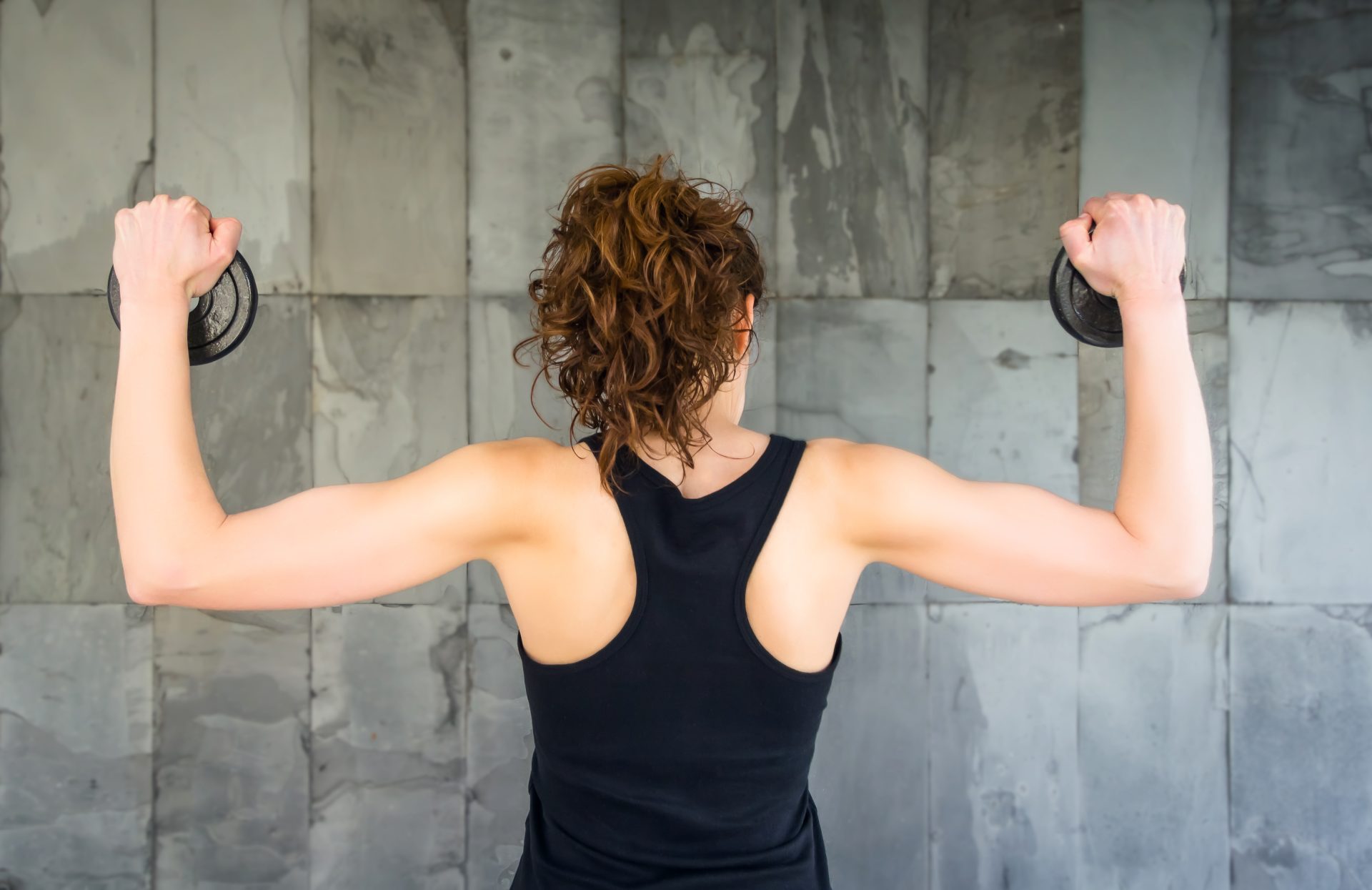
Rotator cuff strengthening exercises are a specific category of movement designed to target the four deep muscles of the shoulder — supraspinatus, infraspinatus, teres minor, and subscapularis — that hold the head of the upper arm bone centred in its socket. Unlike general upper-body workouts that primarily develop the deltoid or chest, these exercises work the smaller stabiliser muscles that most people never consciously train. That distinction matters enormously: a powerful deltoid over a weak rotator cuff is like a strong door over a broken hinge. The physiological mechanism is straightforward. When you perform controlled internal rotation, external rotation, and scapular retraction patterns, you place progressive tension on the rotator cuff tendons and their supporting muscles. Over time, this stimulates collagen remodelling in the tendons, improves neuromuscular coordination around the glenohumeral joint, and increases the joint’s ability to manage compressive and shear forces. The result is a shoulder that moves freely, bears load efficiently, and is far less vulnerable to impingement or strain.
Benefit 1 — Restored Shoulder Stability and Pain-Free Range of Motion The most direct outcome of consistent rotator cuff training is a shoulder that moves the way it is supposed to. When the four cuff muscles are strong and coordinated, the humeral head stays centred in the glenoid throughout the entire range of motion — eliminating the pinching and catching sensations that accompany impingement. Daily activities like reaching overhead, carrying bags, or fastening a seatbelt become noticeably easier over weeks of regular practice. Stat: Research published in the Journal of Orthopaedic & Sports Physical Therapy found that targeted rotator cuff strengthening reduced shoulder pain scores by up to 50% in participants with non-traumatic shoulder impingement over 12 weeks. Benefit 2 — Relief from Impingement, Stiffness, and Referred Neck Pain Most people searching for shoulder exercises are dealing with a very specific cluster of symptoms: a pinching sensation when lifting the arm to shoulder height, morning stiffness that takes hours to ease, and a dull ache that radiates into the neck or upper arm. Targeted exercises — external rotation with a resistance band, prone Y raises, and side-lying abduction — counteract these patterns by strengthening the muscles that decompress the subacromial space and reduce the upward migration of the humerus that causes impingement. Benefit 3 — Tendon Resilience and Long-Term Injury Prevention Consistent rotator cuff training drives structural adaptation in the tendons themselves. Progressive loading stimulates collagen synthesis, improving tendon tensile strength and elasticity. This adaptation typically begins to show meaningful effect after six to eight weeks of consistent training and becomes increasingly robust over three to six months. Stat: The WHO recommends at least 150 minutes of moderate-intensity muscle-strengthening activity per week for adults. Structured rotator cuff programming fits directly within this guideline while producing joint-specific adaptations that general cardio cannot replicate. Benefit 4 — Improved Posture, Upper-Body Performance, and Sleep Quality A strong rotator cuff cascades into meaningful quality-of-life benefits beyond the shoulder itself. Scapular stability improves, which in turn reduces thoracic kyphosis and forward-head posture — common drivers of neck and upper-back discomfort. Athletes and recreational gym-goers find that bench press, overhead press, and pull-up performance improves once the shoulder’s stabiliser foundation is solid. Many members also report better sleep within the first few weeks, simply because they are no longer woken by shoulder pain when rolling onto their side.
What you eat directly determines how fast you recover, how much you progress, and how consistently you can train. Here is what your nutrition plan should look like to support your rotator cuff strengthening training effectively. Protein — Supporting Tissue Repair and Recovery Even therapeutic and rehabilitation-focused training benefits from consistent protein intake at 1.2–1.6 g/kg/day. Protein supports tissue repair and reduces the inflammatory response that slows recovery. Opt for easily digestible sources like eggs, moong dal, low-fat curd, and paneer. Calcium and Vitamin D — Joint and Bone Health Joint and connective tissue health depends heavily on calcium and Vitamin D working together. Aim for 1000–1200 mg of calcium daily from dairy (milk, curd, paneer), ragi, sesame seeds (til), and leafy greens. Get 15–20 minutes of morning sunlight on exposed skin to maintain Vitamin D levels and improve calcium absorption. Anti-Inflammatory Foods — Faster Recovery Recovery speed is directly influenced by your body’s inflammatory status. Turmeric with black pepper (curcumin + piperine), fresh ginger, and omega-3 fatty acids from flaxseeds, walnuts, and fatty fish all actively reduce exercise-induced inflammation. Include these consistently rather than only on hard training days. Hydration — Performance and Joint Lubrication Adequate hydration supports joint lubrication, muscle function, and nutrient transport — aim for 2.5–3 L of water daily. Drink at least 500 ml before your morning exercise session to prime circulation and joint mobility. Herbal teas and coconut water count toward your fluid intake and provide additional micronutrients. Magnesium — Muscle Function and Sleep Quality Magnesium governs over 300 enzymatic reactions including muscle contraction and relaxation — making it essential for any movement-based training. Include pumpkin seeds, bananas, dark chocolate (70%+), spinach, and whole grains in your daily diet. Many Indians are mildly deficient; if you experience frequent muscle cramps or poor sleep quality, a magnesium glycinate supplement may help.
Starting a new training programme is often the hardest part. Here is a clear, week-by-week plan to begin your rotator cuff strengthening training without injury or overwhelm. Before You Begin — Setting Your Baseline Begin by identifying the movements or positions that provoke your symptoms, and note their severity on a scale of 0–10. Therapeutic exercise should begin at an intensity where symptoms either stay the same or improve during and after the session. Set a conservative goal — reducing your discomfort score by 2–3 points — as your 4-to-6-week milestone. Week 1–2: Foundation Start with the easiest variation of each exercise and the shortest hold or rep count recommended. It is normal to feel mild fatigue in the working muscles, but you should not feel sharp pain — if you do, reduce the range or intensity immediately. Sessions of 15–20 minutes are sufficient at this stage; brevity and correct form matter more than volume. Week 3–4: Building Consistency Gradually increase duration and repetitions as your tolerance improves. Morning sessions work particularly well for therapeutic training because gentle movement helps reduce the stiffness that accumulates overnight. You may begin to notice that your symptoms are less severe after sessions — this positive reinforcement is an important sign of progress. Week 5–8: Progression Most people engaged in consistent therapeutic exercise report meaningful functional improvement between weeks 4 and 6. Begin loading the movement slightly — using bodyweight or light resistance — as your pain levels permit. The goal in this phase is not just pain reduction but restoring normal function and preventing recurrence. With therapeutic training, gentle daily consistency produces far better outcomes than infrequent high-intensity sessions.
Exercise 1 — Banded External Rotation — Posterior Cuff and Infraspinatus — 3 × 15 reps each side What it does: External rotation is the single most effective movement for targeting the infraspinatus and teres minor — the two muscles most responsible for preventing shoulder impingement. Keeping the elbow fixed at 90° and the upper arm anchored against the side ensures the cuff muscles do the work rather than the larger deltoid. It directly addresses the internal-rotation dominance that most desk workers and gym-goers develop. Dosage: 3 sets × 15 reps per side, 4–5 times per week. Use a light resistance band — form precision outweighs load here. Beginner modification: Perform without a band initially, using only the weight of the forearm. Focus on feeling the contraction at the back of the shoulder rather than the speed of the movement. Exercise 2 — Prone Y Raise — Supraspinatus and Lower Trapezius — 3 × 12 reps What it does: Lying face-down and raising both arms into a Y shape above head height trains the supraspinatus in a low-load, scapular-packed position. This is particularly valuable for people with torn or irritated cuffs because gravity replaces equipment — the load is controlled entirely by the angle of the torso. Lower trapezius activation simultaneously improves scapular upward rotation, which reduces impingement during overhead movements. Dosage: 3 sets × 12 reps, slow and controlled — 3 seconds up, 2-second hold, 3 seconds down. 4–5 days per week. Beginner modification: Perform the movement with thumbs pointing upward to reduce subacromial compression. If even bodyweight is uncomfortable, begin with arms lowered to a T position and gradually work toward Y over two weeks. Exercise 3 — Wall Slide with Scapular Retraction — Subscapularis and Serratus Anterior — 3 × 10 reps What it does: Standing with the back flat against a wall and sliding the arms upward while maintaining scapular retraction and depression trains the subscapularis alongside the serratus anterior, which is critical for healthy scapular mechanics. This movement teaches the shoulder to move through elevation without the winging and compensatory patterns that cause long-term cuff stress. It mirrors how the shoulder is meant to behave during everyday overhead reach. Dosage: 3 sets × 10 slow reps. The back of the wrists must stay in contact with the wall throughout the slide. 4–5 times per week. Beginner modification: Reduce the range of motion — slide only to 90° of arm elevation until scapular control is established. Add a light resistance band between the wrists once wall contact is consistently maintained through the full range.
Mistake 1 — Going Too Heavy Too Early — Correction: Use Resistance Bands Before Weights What it is: The rotator cuff muscles are small, endurance-oriented stabilisers — not prime movers. Loading them with dumbbells or cables that are even slightly too heavy causes the larger deltoid and upper trapezius to take over, completely bypassing the muscles you are trying to train. Worse, heavy premature loading on an already compromised cuff can aggravate existing micro-tears and delay recovery significantly. What to do instead: Begin every rotator cuff programme with resistance bands or bodyweight-only exercises for a minimum of three to four weeks. The target sensation is a gentle burn deep in the back of the shoulder — not a deltoid pump. Progress load only when you can complete the full range of motion with zero compensation. Mistake 2 — Skipping Scapular Stability Work — Correction: Train the Scapula Alongside the Cuff What it is: Most people focus exclusively on the cuff muscles and neglect the scapular stabilisers — lower trapezius, serratus anterior, and rhomboids — that provide the moving platform the cuff muscles work from. Without a stable scapula, rotator cuff exercises are significantly less effective and the shoulder remains vulnerable to impingement regardless of cuff strength. What to do instead: Pair every rotator cuff session with at least one scapular stability exercise — wall slides, prone T raises, or band pull-aparts. Think of the scapula as the foundation and the rotator cuff as the structure built on top of it. For members who also want to address joint mobility alongside shoulder stability, combining cuff work with mobility drills produces the most balanced results. Mistake 3 — Treating Pain as the Only Training Signal — Correction: Use Range of Motion as Your Guide What it is: Many people stop exercising the moment they feel any shoulder discomfort, while others push through sharp, pinching pain assuming it will pass. Both extremes undermine recovery. Stopping at the first sign of mild ache prevents the progressive loading that drives adaptation. Pushing through sharp, catching, or radiating pain risks converting a manageable issue into a structural problem requiring medical intervention. What to do instead: Use a 0–10 discomfort scale. Mild ache at 1–3 during controlled movement is acceptable. Pain at 4 or above — especially sharp, catching, or radiating sensations — is a stop signal. Modify the range of motion, reduce resistance, or switch to a less provocative exercise for that session. Always consult a physiotherapist if sharp pain persists beyond two weeks of modified training.
Rotator Cuff Strengthening training is not a one-size-fits-all programme — but it is far more broadly accessible than most people assume. Here is who benefits most. Complete Beginners Starting from Zero You do not need any prior fitness experience to begin rotator cuff strengthening exercises. Every movement in a well-structured programme comes with easier modifications — for example, performing the exercise seated, with a reduced range of motion, or using a wall or chair for support. The only requirement is willingness to show up consistently; the strength and technique will follow. People With Chronic Pain or Post-Injury Recovery This training is especially valuable for people managing Chronic Pain or Post-Injury Recovery. Isometric and low-impact variations allow you to build strength at pain-free joint angles without aggravating sensitive tissues. Always begin at a reduced intensity and range, and increase gradually as your body adapts. Office Workers and Sedentary Adults Sedentary adults who spend 6–8 hours sitting daily experience progressive losses in rotator cuff strengthening capacity — this training directly reverses that trend. A 20–30 minute morning session creates a positive hormonal and metabolic shift that persists throughout the working day. Even three sessions per week produce measurable improvements in energy levels, concentration, and posture. Active Adults and Athletes Experienced gym-goers and recreational athletes use rotator cuff strengthening training to address specific movement gaps and build functional capacity. This style of training bridges the gap between general fitness and sport-specific performance, reducing injury risk in the process. It works well as a primary programme or as targeted supplementary work alongside your existing routine. Seniors Maintaining Functional Independence Older adults benefit significantly from rotator cuff strengthening training as it maintains the functional strength, balance, and joint health required for independent daily living. Even those who have been sedentary for years can make meaningful progress with a consistent, progressive programme. Starting with modified, low-impact variations and building gradually is the safest and most effective approach.
Rotator Cuff–Specific Programming — Not a Generic Fitness Class Every exercise selection, sequencing decision, and progression milestone in Habuild’s strength training programme is chosen with joint-specific outcomes in mind. Sessions open with scapular activation work — band pull-aparts and prone retractions — to pre-activate the stabiliser base before any rotator cuff loading begins. They close with eccentric-focused external rotation holds that drive tendon-level adaptation. This sequencing mirrors the evidence-based protocols used by sports physiotherapists, adapted for a daily group-training format. Live Daily Sessions with Real-Time Form Correction Rotator cuff exercises are technique-sensitive. A minor compensation — letting the shoulder blade wing, losing elbow position during external rotation, or rushing through the eccentric phase — shifts load away from the cuff entirely. Habuild’s live format allows the instructor to spot and correct these compensations in real time, for every member, every session. This is a meaningful advantage over pre-recorded content where the same errors can go uncorrected for weeks. Progressive Overload Built into Every Session Members do not need to self-programme their progression. Habuild builds structured overload into the weekly plan — progressions in time-under-tension, resistance band level, range of motion, and movement complexity are introduced in sequence. This ensures the shoulder is continuously adapting without being overwhelmed. For those looking to build broader shoulder strength alongside rotator cuff resilience, Habuild’s programming layers both simultaneously. Accountability, Streaks and Community Rotator cuff strengthening requires six to twelve weeks of consistent work before significant structural adaptation occurs. The hardest part is not the exercises — it is showing up daily when progress feels slow. Habuild’s streak tracking, WhatsApp community, and live morning session format are specifically designed to close the consistency gap. Members who maintain a streak of 30 days or more report the highest rates of sustained improvement — not because 30 days is a magic number, but because it is long enough for the habit to become self-sustaining. Those building comprehensive upper-body resilience will find that pairing cuff work with bone-strengthening exercises compounds the long-term structural benefits significantly.
I have been with Habuild for 1,050 days. My energy has increased and I don't feel drained by work anymore. My patience has grown — things that used to stress me out don't affect me the same way. My kids at home have also picked up the yoga habit. Most importantly, my knowledge about breathing and how it affects the entire body has transformed. My nervous system feels calmer, my digestion is better, and there is a steadiness in my body and mind that I had never experienced before.

My homeopathy doctor suggested yoga and I found Habuild. In the free 14 days, I already felt changes. The biggest surprise: I used to be unable to get down from a pavement by myself. Now I can jump. My core and lower body strength have rebuilt themselves through consistent practice. Habuild is a complete package — it strengthens everything, not just flexibility.


Practice Strong Everyday with Trishala Bothra, an IIT-B and London School of Business alumni
Trishala is focused on making movement feel lighter, more engaging, and something you actually look forward to.
In just 3 years, over 50,000 people began their strength journey, and 10,000+ join every week to keep getting stronger.