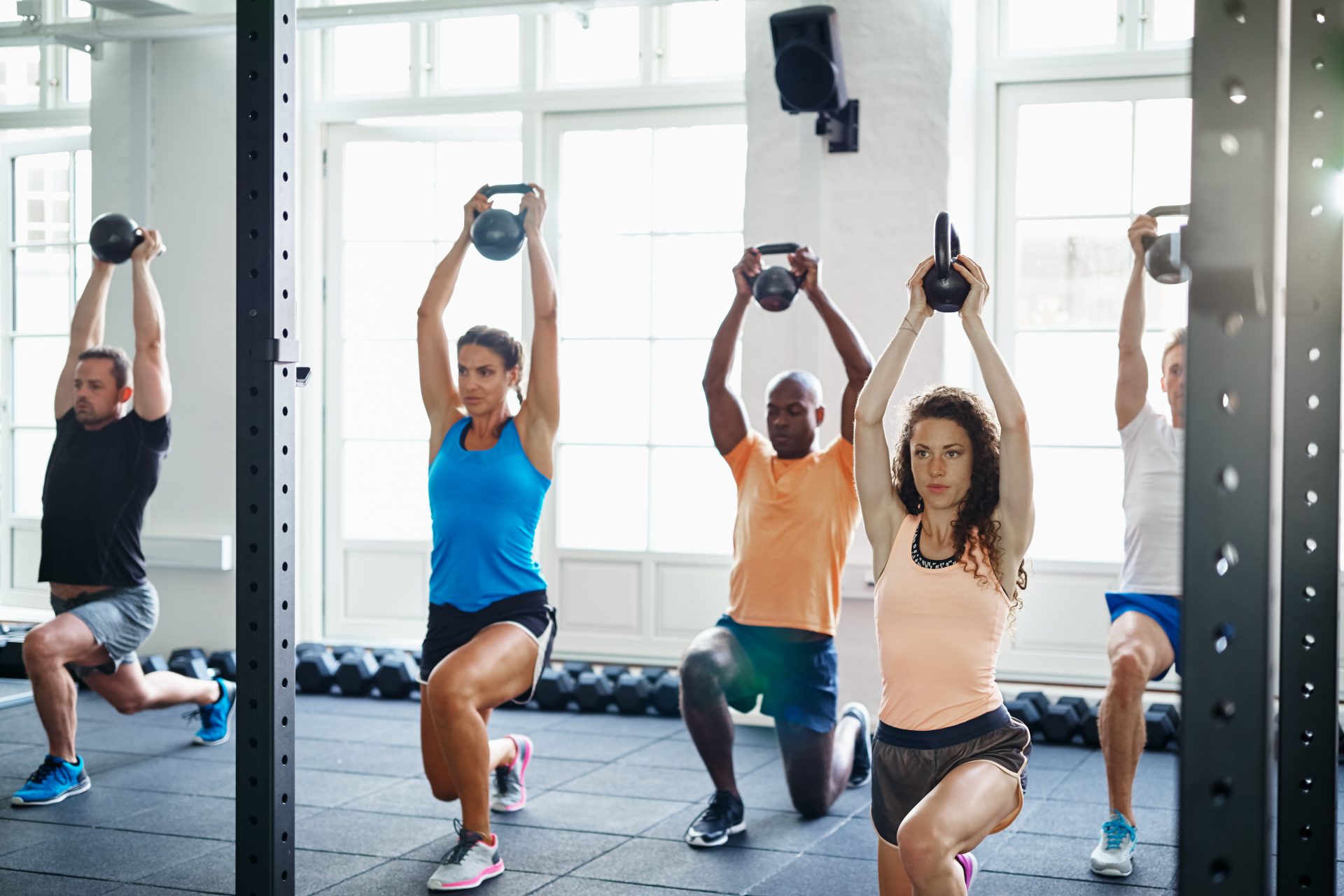
Exercises for IT band syndrome are not the same as general leg workouts. They are specifically selected to reduce tension along the iliotibial band — the thick connective tissue running from the hip to the outer knee — by targeting the surrounding muscles that pull it out of alignment. The goal is to correct hip abductor weakness, hip flexor tightness, and poor glute activation that place uneven load on the IT band during movement. A general squat programme does not achieve this; you need targeted hip and lateral chain work. When you strengthen the gluteus medius and hip abductors, you reduce the inward collapse of the knee during each stride or step. When you lengthen the hip flexors and TFL (tensor fasciae latae), you release the chronic pull on the IT band from above. When you improve single-leg stability, you stop the compensatory hip drop that drags the IT band tight with every footfall. This cause-and-effect chain — from muscle weakness to fascial tension to pain — is precisely what the right exercise selection reverses over time.
Reduced Lateral Knee Pain That Limits Daily Movement The most immediate reason people search for IT band exercises is the outer knee pain that makes walking downstairs, getting out of a car, or finishing a morning run genuinely difficult. Strengthening the hip abductors — particularly the gluteus medius — reduces the mechanical load on the IT band at the lateral femoral condyle, the exact spot where friction and discomfort occur. Consistent targeted exercise can gradually ease this pain over several weeks of regular practice. Research published in the Journal of Athletic Training indicates that hip abductor weakness is a primary contributor to IT band syndrome in both recreational and competitive athletes. Restored Mobility Along the Lateral Hip and Knee Chain IT band tightness progressively restricts how freely the hip and knee move through their full range. Exercises like the clamshell, lateral band walk, and standing TFL stretch directly counteract this restriction by both lengthening the tissue and rebalancing the muscles controlling the hip. Many people notice improved ease of movement — less stiffness getting up from a seated position, more freedom in the hip during a stride — within the first two to three weeks of a consistent programme. Pairing IT band work with targeted mobility exercises reinforces these gains across the entire lower body. Long-Term Hip and Knee Stability Through Muscular Adaptation Over six to twelve weeks of progressive loading, the gluteus medius, gluteus maximus, and hip external rotators undergo genuine structural adaptation — more motor units recruited, greater force output, improved neuromuscular coordination. This means the hip holds stable under load rather than dropping and transferring stress to the IT band. The WHO recommends at least 150 minutes of moderate-intensity activity per week for musculoskeletal health. Structured IT band exercises fit naturally within this framework while building a lasting protective effect. Downstream Improvement in Movement Confidence and Energy When the lateral hip chain is strong and the IT band is no longer chronically tight, the whole lower body moves more efficiently. Runners find their pace feels less effortful. People who exercise daily notice fewer compensatory aches in the lower back and opposite knee. Reduced discomfort and improved mechanics also support better sleep quality and lower day-to-day stress — outcomes that go well beyond the knee itself.
What you eat directly determines how fast you recover, how much you progress, and how consistently you can train. Here is what your nutrition plan should look like to support your it band syndrome training effectively. Protein — Supporting Tissue Repair and Recovery Even therapeutic and rehabilitation-focused training benefits from consistent protein intake at 1.2–1.6 g/kg/day. Protein supports tissue repair and reduces the inflammatory response that slows recovery. Opt for easily digestible sources like eggs, moong dal, low-fat curd, and paneer. Calcium and Vitamin D — Joint and Bone Health Joint and connective tissue health depends heavily on calcium and Vitamin D working together. Aim for 1000–1200 mg of calcium daily from dairy (milk, curd, paneer), ragi, sesame seeds (til), and leafy greens. Get 15–20 minutes of morning sunlight on exposed skin to maintain Vitamin D levels and improve calcium absorption. Anti-Inflammatory Foods — Faster Recovery Recovery speed is directly influenced by your body’s inflammatory status. Turmeric with black pepper (curcumin + piperine), fresh ginger, and omega-3 fatty acids from flaxseeds, walnuts, and fatty fish all actively reduce exercise-induced inflammation. Include these consistently rather than only on hard training days. Hydration — Performance and Joint Lubrication Adequate hydration supports joint lubrication, muscle function, and nutrient transport — aim for 2.5–3 L of water daily. Drink at least 500 ml before your morning exercise session to prime circulation and joint mobility. Herbal teas and coconut water count toward your fluid intake and provide additional micronutrients. Magnesium — Muscle Function and Sleep Quality Magnesium governs over 300 enzymatic reactions including muscle contraction and relaxation — making it essential for any movement-based training. Include pumpkin seeds, bananas, dark chocolate (70%+), spinach, and whole grains in your daily diet. Many Indians are mildly deficient; if you experience frequent muscle cramps or poor sleep quality, a magnesium glycinate supplement may help.
Starting a new training programme is often the hardest part. Here is a clear, week-by-week plan to begin your it band syndrome training without injury or overwhelm. Before You Begin — Setting Your Baseline Begin by identifying the movements or positions that provoke your symptoms, and note their severity on a scale of 0–10. Therapeutic exercise should begin at an intensity where symptoms either stay the same or improve during and after the session. Set a conservative goal — reducing your discomfort score by 2–3 points — as your 4-to-6-week milestone. Week 1–2: Foundation Start with the easiest variation of each exercise and the shortest hold or rep count recommended. It is normal to feel mild fatigue in the working muscles, but you should not feel sharp pain — if you do, reduce the range or intensity immediately. Sessions of 15–20 minutes are sufficient at this stage; brevity and correct form matter more than volume. Week 3–4: Building Consistency Gradually increase duration and repetitions as your tolerance improves. Morning sessions work particularly well for therapeutic training because gentle movement helps reduce the stiffness that accumulates overnight. You may begin to notice that your symptoms are less severe after sessions — this positive reinforcement is an important sign of progress. Week 5–8: Progression Most people engaged in consistent therapeutic exercise report meaningful functional improvement between weeks 4 and 6. Begin loading the movement slightly — using bodyweight or light resistance — as your pain levels permit. The goal in this phase is not just pain reduction but restoring normal function and preventing recurrence. With therapeutic training, gentle daily consistency produces far better outcomes than infrequent high-intensity sessions.
Clamshell — Gluteus Medius and Hip External Rotators — 3 × 15 Reps Each Side What it does: The clamshell isolates the gluteus medius — the single most undertrained muscle in IT band syndrome. By rotating the top knee open while keeping the pelvis completely still, it builds targeted hip abductor strength without any stress on the irritated IT band itself. This makes it the safest and most direct exercise to begin with, and the foundation of any IT band rehabilitation programme. Dosage: 3 sets × 15 reps per side, 5 days per week. Rest 30–45 seconds between sets. Beginner modification: Perform without a resistance band. Focus entirely on keeping the pelvis from rocking backward as the knee lifts. Range of motion matters more than speed at this stage. Lateral Band Walk — Hip Abductors and Glutes — 3 × 20 Steps Each Direction What it does: Walking sideways against resistance trains the gluteus medius and minimus under a dynamic, weight-bearing load — closer to what the muscle must do during walking or running. This functional strength directly reduces the hip drop pattern that over-tensions the IT band mid-stride. Dosage: 3 sets × 20 steps in each direction, 4–5 days per week. Maintain a slight squat position throughout. Beginner modification: Remove the resistance band and perform bodyweight lateral steps, keeping the toes forward and not allowing the feet to touch between steps. Single-Leg Glute Bridge — Glutes, Hamstrings, and Hip Stabilisers — 3 × 12 Reps Each Side What it does: The single-leg glute bridge forces the standing-leg hip to stabilise the pelvis while the glutes drive extension — directly mimicking the single-stance phase of walking or running where IT band stress peaks. It also strengthens the hamstrings and lower glutes, reducing anterior pelvic tilt that increases TFL tension from above. Dosage: 3 sets × 12 reps per side, 4 days per week. Pause for two seconds at the top of each rep. Beginner modification: Perform a standard double-leg glute bridge first. Progress to single-leg only once you can complete 3 × 15 with no hip drop on the double-leg version.
Mistake 1 — Foam Rolling the IT Band Directly — Correction: Target the TFL and Hip Flexors Instead What it is: Many people foam roll the IT band aggressively or perform the classic standing cross-leg IT band stretch as their primary treatment. The IT band is dense connective tissue — it does not lengthen the way muscle does. Aggressive direct pressure often aggravates the area further without addressing the muscular cause. What to do instead: Direct your stretching at the TFL and hip flexors — the muscles that attach to and pull on the IT band. A standing figure-four stretch or a kneeling hip flexor stretch held for 60 seconds per side has far more impact on actual tissue tension than foam rolling the IT band itself. Mistake 2 — Continuing High-Impact Activity Through Acute Pain — Correction: Manage Load First What it is: Pushing through sharp lateral knee pain during running because it “warms up” is one of the most common reasons IT band problems become chronic. The IT band is most compressed at approximately 30 degrees of knee flexion — exactly the angle during footstrike — so continuing to run inflames the tissue faster than strengthening can repair it. What to do instead: Temporarily replace running with low-impact activity — cycling with a raised saddle, swimming, or walking on flat ground — while completing the hip strengthening programme. Reintroduce impact gradually over two to three weeks once discomfort has subsided. Mistake 3 — Skipping Single-Leg Stability Work — Correction: Train the Hip to Hold the Pelvis Level What it is: Most people focus on bilateral exercises like squats and lunges and skip single-leg stability work entirely. But IT band tension peaks during single-leg stance — the moment when the hip must hold the pelvis level without support from the other leg. Bilateral training does not build this specific capacity adequately for IT band protection. What to do instead: Include at least one single-leg stability exercise per session — single-leg glute bridge, single-leg deadlift, or a lateral step-up. These build the hip abductor endurance that prevents the hip drop pattern driving IT band friction. Combining this with flexibility-focused strength work ensures both the mobility and stability components of lateral knee health are addressed together.
It Band Syndrome training is not a one-size-fits-all programme — but it is far more broadly accessible than most people assume. Here is who benefits most. Complete Beginners Starting from Zero You do not need any prior fitness experience to begin it band syndrome exercises. Every movement in a well-structured programme comes with easier modifications — for example, performing the exercise seated, with a reduced range of motion, or using a wall or chair for support. The only requirement is willingness to show up consistently; the strength and technique will follow. People With Chronic Pain or Post-Injury Recovery This training is especially valuable for people managing Chronic Pain or Post-Injury Recovery. Isometric and low-impact variations allow you to build strength at pain-free joint angles without aggravating sensitive tissues. Always begin at a reduced intensity and range, and increase gradually as your body adapts. Office Workers and Sedentary Adults Sedentary adults who spend 6–8 hours sitting daily experience progressive losses in it band syndrome capacity — this training directly reverses that trend. A 20–30 minute morning session creates a positive hormonal and metabolic shift that persists throughout the working day. Even three sessions per week produce measurable improvements in energy levels, concentration, and posture. Active Adults and Athletes Experienced gym-goers and recreational athletes use it band syndrome training to address specific movement gaps and build functional capacity. This style of training bridges the gap between general fitness and sport-specific performance, reducing injury risk in the process. It works well as a primary programme or as targeted supplementary work alongside your existing routine. Seniors Maintaining Functional Independence Older adults benefit significantly from it band syndrome training as it maintains the functional strength, balance, and joint health required for independent daily living. Even those who have been sedentary for years can make meaningful progress with a consistent, progressive programme. Starting with modified, low-impact variations and building gradually is the safest and most effective approach.
IT Band-Specific Programming — Not a Generic Fitness Class Every session in Habuild’s strength training programme is built around specific physiological goals — not general calorie burn. For IT band management, sessions open with hip activation work — clamshells, glute bridges, and band walks — to prime the gluteus medius before any loaded movement, and close with targeted TFL and hip flexor lengthening to decompress the lateral chain. This sequencing is deliberate: activating the glutes first ensures they, not the TFL, drive movement during the main exercises. This programming detail separates sessions that gradually support the condition from sessions that keep aggravating it. Live Daily Sessions with Real-Time Form Correction The most damaging errors in IT band rehab — inward knee collapse during a bridge, hip rocking during a clamshell, pelvis dropping in a lateral walk — are invisible to the person doing them without an expert eye. Habuild’s live daily format means your instructor spots and corrects these errors in real time. Pre-recorded video cannot do this. Live correction ensures you are building the right muscle patterns from day one, rather than reinforcing the compensations that caused the problem in the first place. Progressive Overload Built into Every Session IT band rehabilitation requires progressive loading — starting light to allow tissue tolerance to build, then systematically increasing resistance, range, and single-leg demand week by week. Habuild builds this progression into every training block. Members do not need to self-programme or guess when to add a resistance band or extend a hold. The instructor manages load progression as part of the session structure, ensuring continued adaptation without spikes in irritation. Accountability, Streaks and Community The single most common reason IT band syndrome persists is inconsistent exercise — two good weeks followed by a lapse that resets all progress. Habuild’s streak tracking, daily morning schedule, and WhatsApp community create the social and structural accountability that keeps members showing up on low-motivation days. Consistency over six to twelve weeks is what produces the hip strength adaptations that protect the IT band long-term. For those managing related lateral hip conditions alongside IT band work, exercises for hip bursitis within the Habuild programme offer a natural extension for comprehensive lateral hip health.
I am a retired Army officer, 65 years old. I had undergone bypass surgery and was unsure what physical activity I could safely do. My doctor cleared me for yoga. After joining Habuild and completing 550 days, my muscle strength and mobility have improved, my stamina has increased, I started walking regularly, and my sugar levels stay in a healthy range. Flexibility and positivity have both increased. My wife is very active in Create Everyday — we are both truly grateful.
I am 62 years old, diabetic, and I have reversed my diabetes — clearing the glucose tolerance test for 3 consecutive years. My husband is asthmatic and reversed his asthma 2 years ago through yoga. Together, we completed the Everest Base Camp trek — 10 days, 65 km, at 17,000 feet above sea level. My husband was 69. This year we completed the Kailash Mansarovar Yatra at 18,000 feet. After defeating diabetes I also became a cyclist — I can easily cycle 50 km in one stretch. Habuild is the foundation of all of this.


Practice Strong Everyday with Trishala Bothra, an IIT-B and London School of Business alumni
Trishala is focused on making movement feel lighter, more engaging, and something you actually look forward to.
In just 3 years, over 50,000 people began their strength journey, and 10,000+ join every week to keep getting stronger.