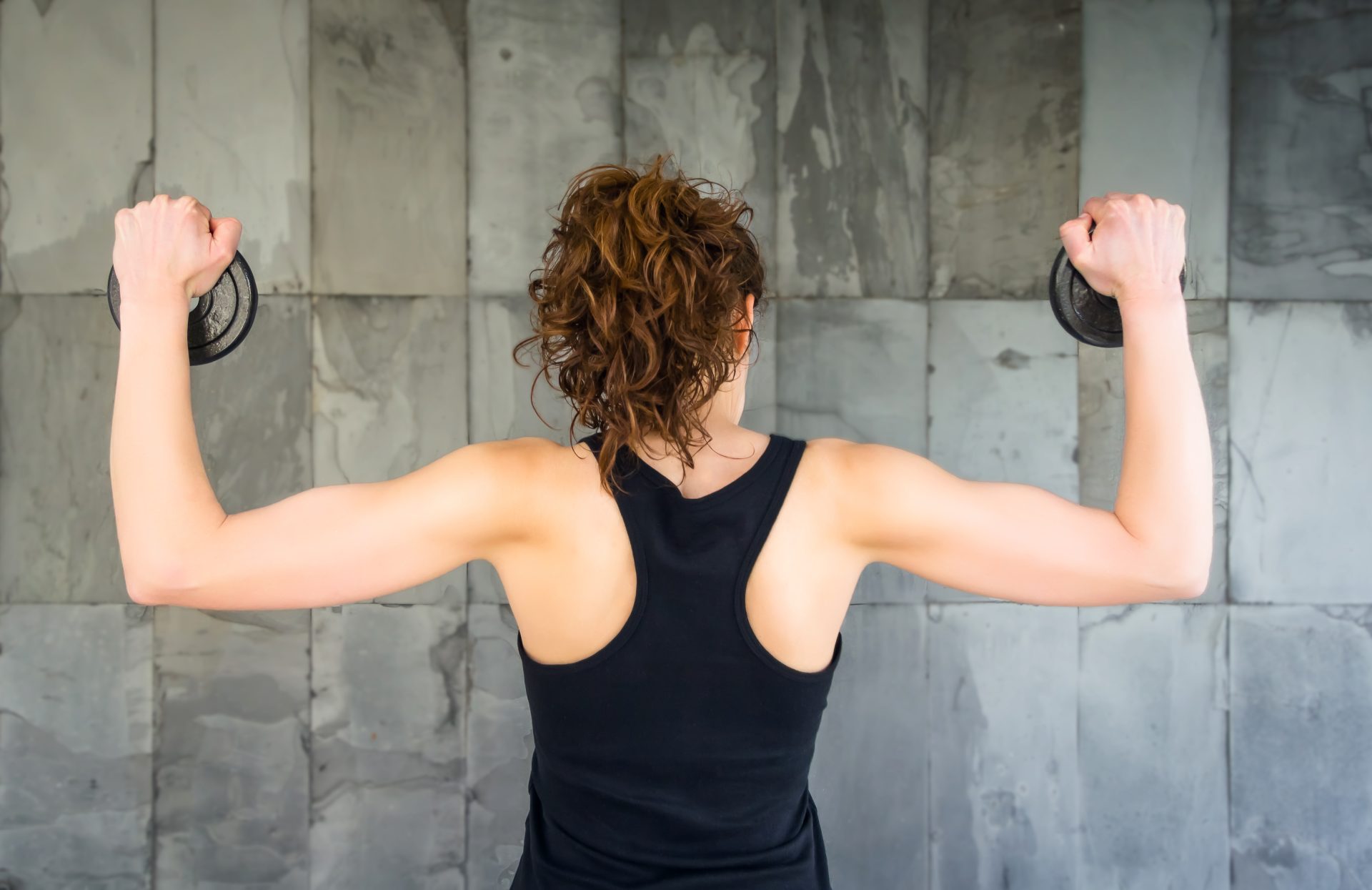
A calisthenics shoulder workout is a form of resistance training that uses bodyweight leverage, angle, and load distribution to target the deltoids, trapezius, and shoulder stabilisers — without weights, machines, or gym equipment. What sets it apart from general fitness or cardio-based movement is the intentional manipulation of pushing angles, joint loading, and muscle activation sequencing. Every exercise is selected to create progressive mechanical tension on the shoulder girdle, not merely to elevate heart rate or burn calories. The mechanism works through two principles: relative load and leverage. When you elevate your feet in a pike push-up, a greater percentage of your bodyweight shifts toward your shoulders, simulating an overhead press. As you progress toward a wall-supported handstand push-up, the shoulder load approaches near-full bodyweight. Simultaneously, closed-chain movements — where your hands are fixed and your body moves — recruit the scapular stabilisers with far greater intensity than open-chain exercises like lateral raises. This combination builds both strength and long-term joint resilience.
Benefit 1: Full Deltoid Development Through Natural Movement Patterns Calisthenics shoulder exercises load all three deltoid heads — anterior, medial, and posterior — through compound pushing and pulling patterns. Unlike isolated machine exercises, movements like pike push-ups and archer push-ups require each head to contribute across the full range of motion. Research shows that compound pressing movements activate the anterior deltoid at up to 85% of its maximum voluntary contraction, making bodyweight pressing surprisingly effective for shoulder hypertrophy. Every part of the shoulder complex receives the mechanical stimulus it needs to grow stronger over time. Benefit 2: Improved Shoulder Stability and Reduced Injury Risk One of the most common reasons people experience shoulder discomfort is an imbalance between the large prime movers (anterior deltoid, pec major) and the smaller stabilisers (rotator cuff, lower trapezius). Calisthenics inherently addresses this because closed-chain pushing forces the stabilisers to engage in order to control your own bodyweight through space. Studies indicate that targeted rotator cuff strengthening reduces shoulder impingement and instability by a clinically significant margin. Complementing this strengthening work with mobility practices — such as those in yoga for frozen shoulder — can further support shoulder health over time. Benefit 3: Scalable Strength Progression Without Equipment A calisthenics shoulder workout at home scales from beginner to advanced purely through angle, leverage, and tempo — no equipment purchase required. Wall push-up variations start at roughly 20–30% bodyweight load on the shoulders; a full handstand push-up loads close to 100%. This spectrum means a complete beginner can train safely from day one while an advanced athlete continues to find meaningful challenge within the same framework. The WHO recommends muscle-strengthening activity on at least 2 days per week for adults, and calisthenics satisfies that requirement at every fitness level. Benefit 4: Postural Alignment, Mental Clarity, and Better Daily Function Strong, balanced shoulders directly support thoracic posture. When the posterior deltoid and lower trapezius are adequately developed, rounded-shoulder posture gradually improves — reducing neck tension and upper-back fatigue through the day. Improved posture has downstream effects on wellbeing: less chronic discomfort supports better sleep quality, lower cortisol, and greater mental sharpness. The consistency of a daily practice compounds these gains in ways a once-a-week gym session rarely achieves.
What you eat directly determines how fast you recover, how much you progress, and how consistently you can train. Here is what your nutrition plan should look like to support your calisthenics shoulder training effectively. Protein — Fuelling Athletic Power and Recovery Athletic training demands the highest protein intake — 1.8–2.2 g/kg/day — to fuel power output and accelerate recovery. Time your protein intake so that a high-quality source (eggs, chicken, whey) appears within 30–45 minutes post-session. Dal, rajma, paneer, and curd round out your daily totals effectively. Calcium and Vitamin D — Joint and Bone Health Strong bones provide the structural foundation for all movement — include calcium-rich foods like milk, curd, paneer, ragi, and sesame seeds (til) daily. Vitamin D is essential for calcium absorption; aim for 15–20 minutes of morning sunlight alongside dietary sources like eggs and fatty fish. Deficiency in either nutrient accelerates joint wear over time. Anti-Inflammatory Foods — Faster Recovery Recovery speed is directly influenced by your body’s inflammatory status. Turmeric with black pepper (curcumin + piperine), fresh ginger, and omega-3 fatty acids from flaxseeds, walnuts, and fatty fish all actively reduce exercise-induced inflammation. Include these consistently rather than only on hard training days. Hydration — Performance and Joint Lubrication Athletic performance degrades rapidly with even mild dehydration — fluid loss of just 2% body weight impairs power output. Drink 500 ml of water 30 minutes before your morning session and keep total daily intake at 3–3.5 L. Post high-intensity sessions, coconut water or a banana with water helps restore electrolyte balance quickly. Magnesium — Muscle Function and Sleep Quality Magnesium governs over 300 enzymatic reactions including muscle contraction and relaxation — making it essential for any movement-based training. Include pumpkin seeds, bananas, dark chocolate (70%+), spinach, and whole grains in your daily diet. Many Indians are mildly deficient; if you experience frequent muscle cramps or poor sleep quality, a magnesium glycinate supplement may help.
Starting a new training programme is often the hardest part. Here is a clear, week-by-week plan to begin your calisthenics shoulder training without injury or overwhelm. Before You Begin — Setting Your Baseline Begin with a frank assessment of your sport-specific limitations: where do you lose power, coordination, or speed? Identify your one or two most critical weak points and design your starting programme around improving them. Set a performance-based goal — for example, improving jump height by 3 cm or reducing 10 m sprint time — as your 8-week benchmark. Week 1–2: Foundation Focus entirely on movement quality and neuromuscular patterning in the first two weeks — speed and power come later. Athletic movements place significant eccentric demand on muscles; expect pronounced DOMS after the first few sessions. Limit plyometric or explosive work to 2–3 sets of 5–6 reps per exercise and prioritise full recovery between sets. Week 3–4: Building Consistency Begin increasing intensity and reducing rest periods as your body adapts to the movement patterns. Training first thing in the morning sharpens neuromuscular recruitment patterns over time — elite athletes frequently use morning sessions for skill-based work. Track power output or rep quality rather than just volume in this phase. Week 5–8: Progression Peak adaptation in athletic training typically occurs between weeks 6 and 8, when neuromuscular efficiency catches up with muscular conditioning. Introduce sport-specific loading scenarios — unilateral work, reactive drills, or loaded carries — to make strength transfer to your activity. Recovery becomes as important as training at this stage; prioritise sleep and nutrition around sessions. Athletic development is built on disciplined daily practice far more than on occasional maximal efforts.
Exercise 1: Pike Push-Up — Anterior and Medial Deltoid — 3 Sets × 8–12 Reps The pike push-up is the foundational pressing movement of any calisthenics shoulder workout with no equipment. Start in a downward-dog position with hips elevated, hands shoulder-width apart. Lower the crown of your head toward the floor between your hands, then press back up. This angle shifts the load away from the chest and directly onto the deltoids, closely mimicking an overhead press. Aim for 3 sets of 8–12 repetitions with a 2-second descent to maximise time under tension. Beginner modification: Reduce the hip elevation — begin with a gentler inverted-V position until you build sufficient shoulder strength and pressing confidence before raising the hips higher. Exercise 2: Wall-Supported Handstand Hold — Full Shoulder Girdle — 3 Sets × 20–40 Seconds This isometric hold takes the pike push-up one step further by loading the entire shoulder complex under near-full bodyweight. Kick up against a wall with your chest facing the wall, engage your core, and hold a straight body line. The static contraction builds significant deltoid endurance and trains the stabilisers to fire consistently under load. Hold for 20–40 seconds per set; progress toward wall handstand push-ups once you can sustain a 40-second hold with full control. Beginner modification: Begin with a box or chair pike hold to build vertical awareness and wrist confidence before going fully inverted against the wall. Exercise 3: Wide Push-Up with Slow Eccentric — Lateral Deltoid and Serratus Anterior — 3 Sets × 10–15 Reps Widening hand placement to just outside shoulder width increases medial deltoid engagement and recruits the serratus anterior — the muscle responsible for scapular protraction and upward rotation. Perform each repetition with a deliberate 3-second descent to maximise time under tension and rotator cuff activation. Three sets of 10–15 controlled-tempo reps create more adaptive stimulus than fast, bouncy repetitions. Beginner modification: Perform from the knees until upper-body pressing endurance develops enough to hold a full plank position for 30 continuous seconds without compensating.
Mistake 1: Flaring Elbows During Pike Push-Ups — Correction: Point Elbows at 45° When elbows flare outward to 90° during a pike push-up, the load shifts dramatically onto the anterior shoulder capsule — the most structurally vulnerable structure in the joint. Over time, this angle increases impingement risk and limits how much load the deltoid can safely absorb. The correction is straightforward: keep elbows pointing at approximately 45° from the torso throughout the descent. This position keeps the humeral head centred in the socket, allows full deltoid recruitment, and protects the rotator cuff. A useful cue: imagine screwing your hands into the floor as you lower — this naturally rotates the elbows into the correct position. Mistake 2: Skipping Posterior Chain Work — Correction: Add Rear Deltoid Pulling Each Session Most calisthenics shoulder workouts for beginners over-emphasise pushing exercises and neglect pulling. This creates an anterior-posterior imbalance: the front of the shoulder grows stronger than the back, accelerating postural decline and raising injury risk. Horizontal pulling movements — inverted rows under a low table, towel rows against a door, or resistance band pull-aparts — specifically target the rear deltoid and lower trapezius. Every session should include at least one pulling exercise for every two pushing exercises. A balanced approach to building shoulder strength always trains both the push and pull sides of the joint with equal attention. Mistake 3: Progressing to Harder Variations Before Mastering Form — Correction: Use a Three-Point Technique Checklist Calisthenics shoulder training offers many exciting progressions — pike push-ups, wall handstands, pseudo-planche leans — but rushing to harder variations before foundational form is solid is the most common cause of shoulder strain. The readiness indicator is not rep count but control quality: can you complete every rep with full scapular retraction, zero shoulder shrug, and consistent elbow tracking? Before advancing, run through three checkpoints: core is braced throughout, shoulders are packed away from the ears, and elbows track at 45°. Only progress when all three are consistently present across every rep of every set.
Calisthenics Shoulder training is not a one-size-fits-all programme — but it is far more broadly accessible than most people assume. Here is who benefits most. Complete Beginners Starting from Zero You do not need any prior fitness experience to begin calisthenics shoulder exercises. Every movement in a well-structured programme comes with easier modifications — for example, performing the exercise seated, with a reduced range of motion, or using a wall or chair for support. The only requirement is willingness to show up consistently; the strength and technique will follow. People With Shoulder Pain, Impingement, or Poor Posture This training is especially valuable for people managing Shoulder Pain, Impingement, or Poor Posture. Calisthenics Shoulder exercises specifically target the muscular imbalances and movement patterns that drive these conditions. Always begin at a reduced intensity and range, and increase gradually as your body adapts. Office Workers and Sedentary Adults Desk work drives forward head posture, rounded shoulders, and chronic upper-back tension — patterns that this training is specifically designed to reverse. Daily mobility and strengthening work for the neck, shoulders, and thoracic spine counteracts hours of static loading. Consistent practice typically reduces headache frequency and improves breathing mechanics, both of which are commonly affected by poor desk posture. Active Adults and Athletes Competitive athletes and active adults use calisthenics shoulder training to fill movement-quality gaps that sport-specific training misses. Addressing these gaps reduces injury frequency, improves technique efficiency, and extends athletic careers. This type of training complements rather than replaces sport-specific conditioning. Seniors Maintaining Functional Independence Older adults benefit significantly from calisthenics shoulder training as it maintains the functional strength, balance, and joint health required for independent daily living. Even those who have been sedentary for years can make meaningful progress with a consistent, progressive programme. Starting with modified, low-impact variations and building gradually is the safest and most effective approach.
Shoulder-Specific Programming — Not a Generic Fitness Class Habuild’s shoulder strength sessions open with scapular activation work — wall slides, protraction drills, and shoulder circles — to prime the stabilisers before any pressing load is introduced. Sessions close with posterior chain pulling movements and passive shoulder stretches to restore range of motion and prevent the anterior tightness that accumulates from pushing-dominant training. This sequencing is the structural difference between building durable overhead strength and repeatedly aggravating the same impingement. The programme also integrates progressive calisthenics for muscle strength across all major movement patterns, not just pushing. Live Daily Sessions with Real-Time Form Correction Form errors in calisthenics shoulder training are often subtle — a slight elbow flare, a shoulder shrug at the top of a press — and they compound silently until they produce pain. Habuild’s live daily format means an expert instructor is watching your movement in real time and issuing corrections before patterns become ingrained habits. This is structurally impossible with pre-recorded video content. Members consistently identify the live correction element as the single feature that separates Habuild’s outcomes from self-guided app training. Progressive Overload Built into Every Session You do not need to figure out when to advance from pike push-ups to wall handstand holds — Habuild’s programme builds that progression in automatically. Week by week, sessions introduce incremental changes: increased tempo, reduced rest periods, elevated foot height, and eventually more demanding leverage positions. This structured overload means your shoulders are always adapting without requiring any personal programme design background. Accountability, Streaks, and Community The hardest part of a calisthenics shoulder workout for beginners is not the first session — it is the 30th. Habuild’s streak tracking, daily reminder system, and active WhatsApp community create the social accountability that keeps members showing up on days when motivation is low. Research on habit formation consistently shows that external accountability dramatically improves long-term adherence. When 50,000+ people are training alongside you each morning, skipping becomes harder than showing up.
I have been with Habuild for 1,050 days. My energy has increased and I don't feel drained by work anymore. My patience has grown — things that used to stress me out don't affect me the same way. My kids at home have also picked up the yoga habit. Most importantly, my knowledge about breathing and how it affects the entire body has transformed. My nervous system feels calmer, my digestion is better, and there is a steadiness in my body and mind that I had never experienced before.

My homeopathy doctor suggested yoga and I found Habuild. In the free 14 days, I already felt changes. The biggest surprise: I used to be unable to get down from a pavement by myself. Now I can jump. My core and lower body strength have rebuilt themselves through consistent practice. Habuild is a complete package — it strengthens everything, not just flexibility.


Practice Strong Everyday with Trishala Bothra, an IIT-B and London School of Business alumni
Trishala is focused on making movement feel lighter, more engaging, and something you actually look forward to.
In just 3 years, over 50,000 people began their strength journey, and 10,000+ join every week to keep getting stronger.