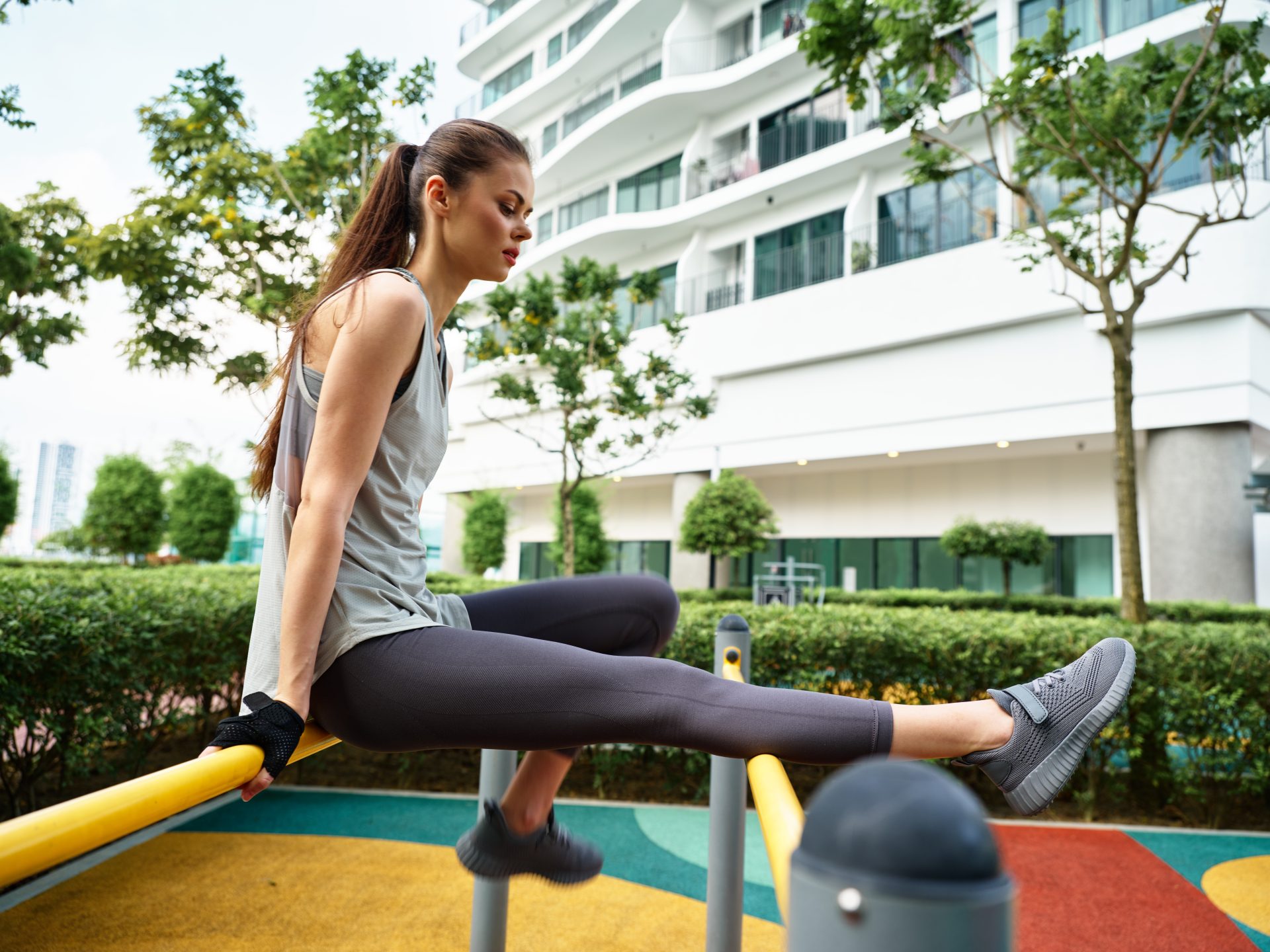
Strength training for thighs is a structured resistance programme specifically designed to achieve build toned, stronger thighs — not just general fitness.
Every exercise selection, rep range, and progression is chosen because it directly drives thighs results faster than generic workouts.
The mechanism is thighs development.
By progressively overloading the target muscles and movement patterns over time, the body adapts specifically to the demands of thighs training — producing measurable, sustainable results that general fitness classes are not structured to deliver.
Benefit 1: Stronger, More Toned Thigh Muscles
Progressive thigh training develops the quadriceps, hamstrings, and inner thighs — producing the strength, firmness, and definition that replace the soft, under-toned appearance that insufficient training produces.
Benefit 2: Reduced Thigh Fat Over Time
While spot reduction is not possible, consistent resistance training combined with appropriate nutrition progressively reduces body fat including in the thigh region — with the underlying muscle development creating the toned appearance as fat reduces.
Benefit 3: Improved Knee Joint Health and Stability
Strong quadriceps and hamstrings are the primary knee stabilisers — protecting the joint from the shear and compressive forces that daily activity and sport place on it. Many practitioners report improved knee comfort within 6–8 weeks of consistent thigh strengthening.
Benefit 4: Better Athletic Performance in Running and Sports
Thigh strength is the primary determinant of running speed, jump height, and direction-change agility. Stronger thighs may directly improve performance in virtually every sport and physical activity.
Protein — The Foundation of Thighs Training
Aim for 1.4–1.8g of protein per kg of bodyweight per day. Best sources include eggs, paneer, lentils (dal), chicken, Greek yoghurt, and whey protein. Distribute protein evenly across 3–4 meals and prioritise protein within 30–60 minutes after training. Adequate protein is non-negotiable — without it, training effort produces minimal adaptation regardless of programme quality.
Carbohydrates — Fuel for Performance and Recovery
Thigh training sessions with compound exercises are energy-demanding. Adequate carbohydrate intake before and after training supports both performance and recovery.
Hydration and Micronutrients
Potassium supports muscle contraction and reduces cramp frequency in intensive thigh training sessions. Magnesium supports the recovery of large muscle groups after training. Adequate hydration (2.5 litres) prevents the cramping that thigh-intensive training can cause.
Before You Begin — Setting Your Baseline
Before beginning, assess your current fitness level honestly. Set a specific, measurable goal — not just ‘get stronger’ but a clear thighs outcome target in a defined timeframe. Identify your available space and equipment. If you have any existing injuries, medical conditions, or are over 50, please consult your doctor before starting.
Week 1–2: Foundation Phase
Two sessions per week. Focus entirely on movement quality — correct alignment, controlled tempo, and full range of motion. Use bodyweight only or very light resistance. The most important thing in this phase is NOT to push hard — it is to practise movement patterns correctly so that when you add resistance in weeks 3–4, your form is already solid.
Week 3–8: Progressive Loading Phase
Introduce resistance progressively — add one more rep or a small amount of load each week. The rep range varies by goal: for strength and hypertrophy, work in the 8–12 rep range; for endurance and toning, stay in the 15–25 rep range. Add a third session in weeks 5–6 if recovery allows. Track your sessions — a simple note of sets, reps, and load makes progression deliberate.
Week 9+: Goal-Specific Advancement
Introduce more advanced training variables: supersets (two exercises back-to-back), tempo manipulation (slower eccentrics for greater stimulus), and periodisation (heavier weeks alternating with deload weeks). At this stage the programme should be producing clear, measurable results. If you have stalled, review nutrition, sleep, and recovery before changing the programme.
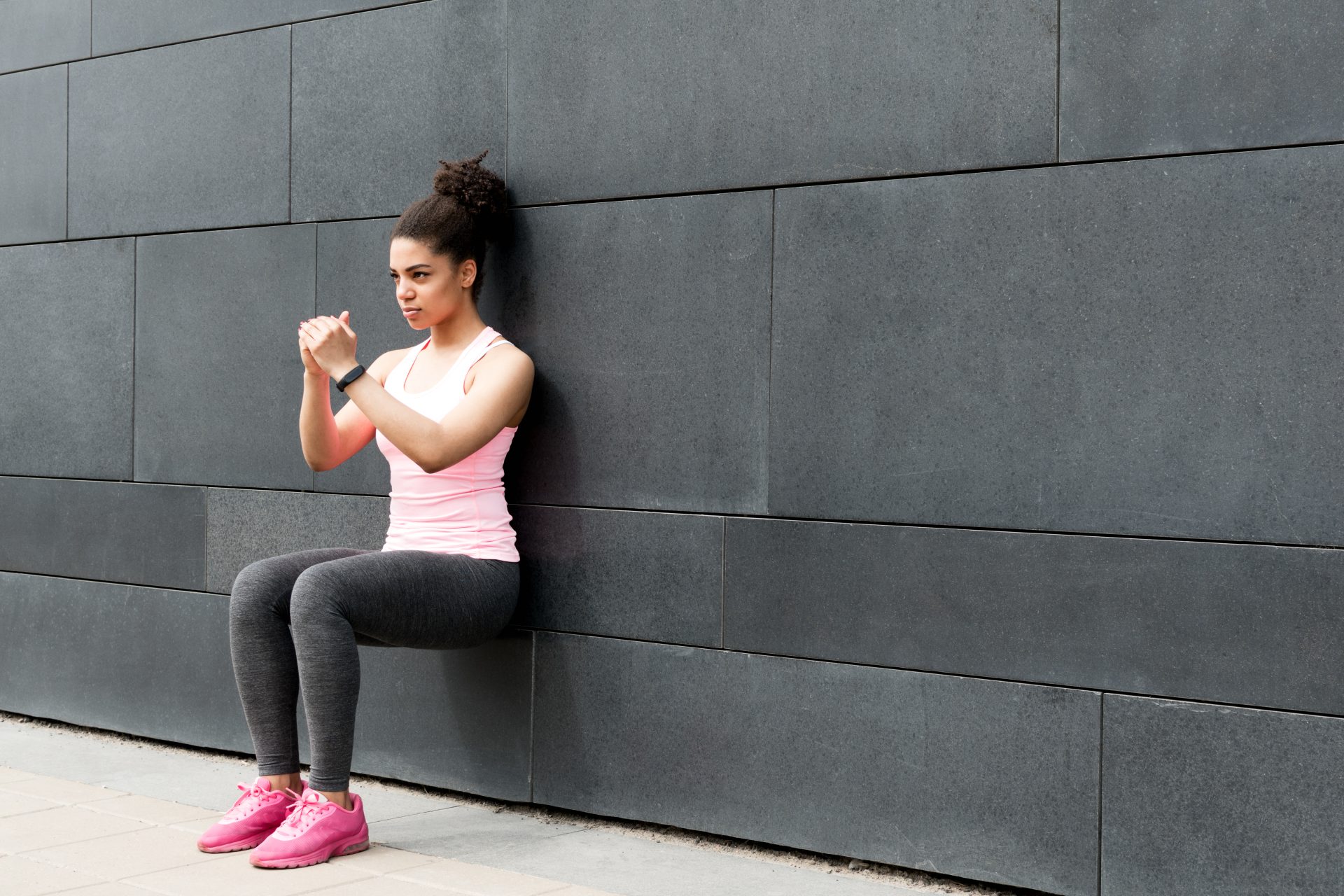
Exercise 1: Wall Sit (Isometric Hold) — Quadriceps, glutes | 3 sets × 30–60 seconds
The wall sit creates sustained isometric quadricep contraction — building the thigh endurance and strength that dynamic exercises develop through different mechanisms. Particularly effective for the visible quadricep definition that many members are targeting. Beginner modification: Reduce the angle (less knee bend) to make the hold easier; increase depth as strength develops.
Exercise 2: Reverse Lunge — Quadriceps, hamstrings, glutes | 3 sets × 12–15 reps each leg
The reverse lunge develops both the quadriceps and hamstrings through a functional movement pattern — producing the balanced thigh strength that prevents the quad-dominant imbalances that many untrained individuals have. Beginner modification: Hold a chair back for balance; reduce stride length initially.
Exercise 3: Inner Thigh Squeeze (Adductor Exercise) — Hip adductors, inner thigh | 3 sets × 20–25 reps
Inner thigh training — using a pillow squeezed between the knees or a resistance band — develops the often-neglected adductor muscles that contribute to complete thigh development and knee stability. Beginner modification: Use a soft pillow or folded towel between the knees; squeeze and hold for 2 seconds each rep.
Mistake 1: Only Training the Front Thigh (Quadriceps)
The hamstrings and inner thighs are as important as the quadriceps for complete thigh development, injury prevention, and aesthetics. Always include hamstring and adductor exercises alongside quad work.
Mistake 2: Trying to Spot-Reduce Thigh Fat with Exercises
Inner thigh exercises and leg raises do not burn fat specifically in the thigh region — total body resistance training and appropriate nutrition are what produce the overall fat reduction that includes the thighs.
Mistake 3: Avoiding Heavy Enough Resistance
Many women particularly train thighs with very light resistance for many reps — insufficient load to stimulate the muscle development that produces the toned appearance. Reps should feel genuinely challenging in the last 3–4 of each set.
Complete Beginners Starting from Zero
This programme begins with bodyweight movements and progresses at each member’s own pace. Every exercise has a beginner modification, and the live instructor adapts in real time. No equipment or prior experience is required to start.
Intermediate Trainees Who Have Hit a Plateau
Goal-specific programming — the right exercises, the right rep ranges, and built-in progressive overload — is what breaks through the plateau that general fitness classes produce. When the training variable matches the thighs goal specifically, results return.
Those Who Have Tried Thighs Training Before Without Results
Most failed thighs training attempts come from generic programmes without progressive overload, insufficient frequency, or no accountability. This programme addresses all three — with built-in progression, daily sessions, and community accountability.
Senior Citizens and Older Adults (50+)
Strength training for thighs is particularly valuable for adults over 50. After 40, lean muscle mass decreases by approximately 1–2% per year without resistance training — affecting daily strength, balance, and independence. This programme provides modifications for every exercise making it safe and accessible regardless of current fitness level. If you have existing health conditions, please consult your doctor before starting.
Is Strength Training for Thighs Good for Beginners?
Yes — with modifications for every exercise and live real-time guidance, this programme is specifically designed to be accessible from day one regardless of current fitness level.
Habuild is India’s First Habit Building Program for Yoga — and through its ‘Strong Everyday’ programme, it extends this same habit-building philosophy to structured strength and fitness training. Every session is designed for the specific goal rather than generic fitness.
Goal-Specific Programming — Not a Generic Fitness Class
Every exercise selection, rep range, and rest period in the thighs programme is chosen because it produces thighs results specifically — not because it is a popular gym exercise.
Live Daily Sessions with Real-Time Form Correction
Unlike pre-recorded videos, Habuild’s live sessions allow the instructor to see and correct form errors in real time — the specific errors that prevent thighs progress and increase injury risk. This live feedback is the difference between training that works and training that wastes effort.
Progressive Overload Built into Every Session
Members do not need to design their own progression — it is built into the programme structure. Each week is deliberately more challenging than the last, ensuring the body continues adapting and results keep coming.
Accountability, Streaks, and Community
The classes are easy to follow, perfectly suited to my fitness level, and always leave me feeling positive.
This was my first time trying strength sessions, and I absolutely loved it! I joined out of curiosity.


Practice Strong Everyday with Trishala Bothra, an IIT-B and London School of Business alumni
Trishala is focused on making movement feel lighter, more engaging, and something you actually look forward to.
In just 3 years, over 50,000 people began their strength journey, and 10,000+ join every week to keep getting stronger.