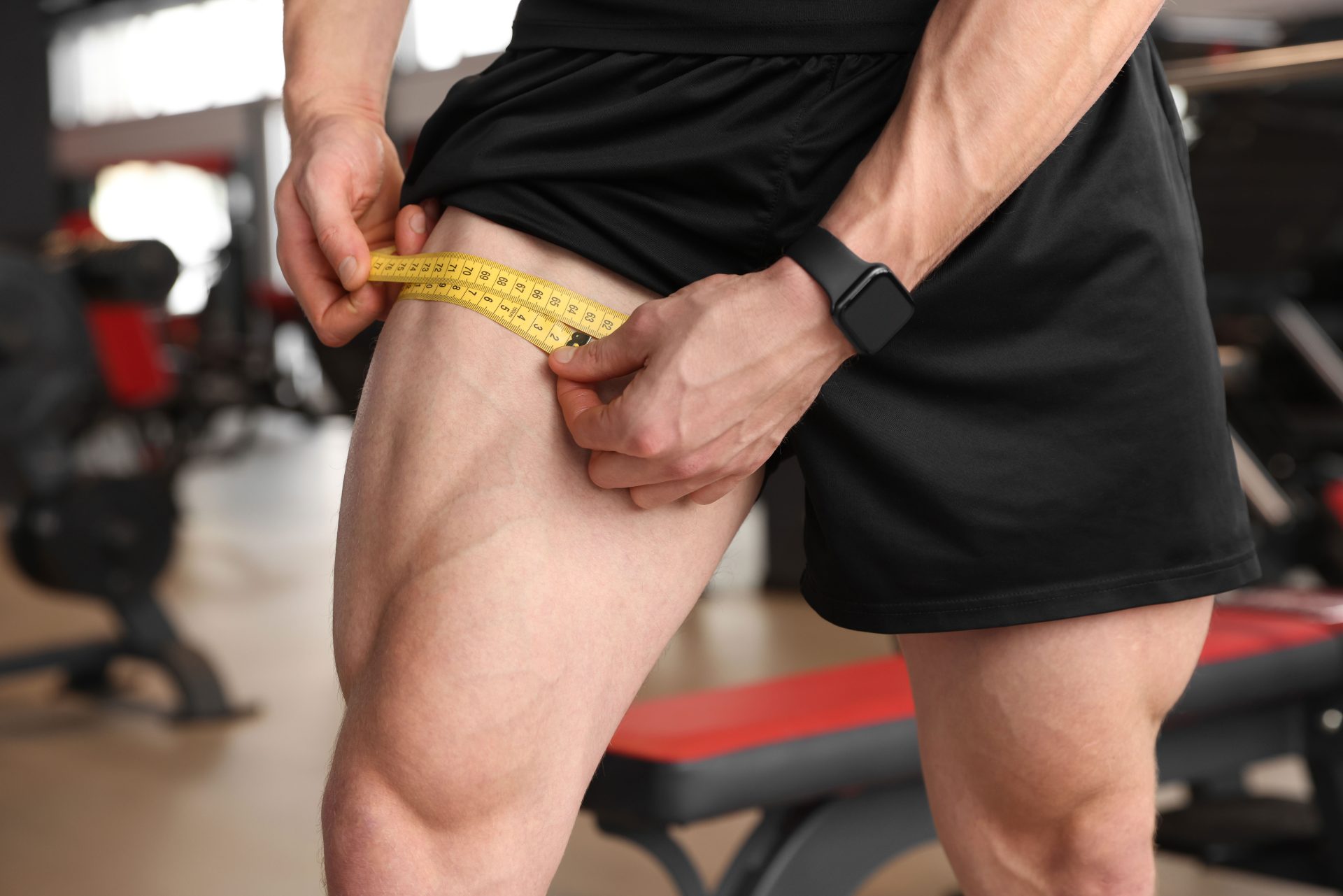
Strength training for thigh fat is a targeted programme combining compound lower body exercises, cardiovascular intervals, and specific inner and outer thigh movements to reduce overall body fat (including in the thigh region) while simultaneously building the lean muscle that creates definition and tone. The critical distinction is physiological honesty: spot reduction — losing fat specifically from the thighs through thigh exercises alone — is not physiologically possible. Fat loss occurs systemically, driven by caloric deficit and metabolic elevation. However, thigh-specific strength training builds the lean muscle beneath the fat that creates the toned, defined appearance as fat reduces. The mechanism is twofold: overall fat reduction through the metabolic demand of compound lower body training (squats, lunges, and deadlifts engage the body’s largest muscles, producing the greatest caloric expenditure and post-exercise metabolic elevation), combined with targeted thigh muscle development that creates the toned, defined shape that becomes visible as fat reduces. The inner thigh adductors, outer thigh abductors, and quadriceps are all specifically addressed through exercise selection — ensuring complete lower body development rather than the unbalanced appearance that quad-only training produces.
Start Your Free 14 Day Trial
Benefit 1: Progressive Reduction in Overall Thigh Size Through Metabolic Elevation
Compound lower body training creates the highest caloric demand of any exercise category — producing the metabolic conditions for overall fat reduction, including thigh fat, alongside the muscle development that creates definition as fat reduces.
Benefit 2: Better Thigh Definition and Shape Through Targeted Muscle Development
Targeted inner thigh, outer thigh, and quadricep development creates the muscle architecture that becomes visible as fat reduces — producing the toned, defined appearance that fat loss alone cannot create.
Benefit 3: Improved Leg Strength and Daily Functional Capacity
Stronger thigh muscles improve every daily movement involving the lower body — climbing stairs, walking efficiently, and maintaining balance all benefit from the strength development that targeted thigh training produces.
Benefit 4: Reduced Cellulite Appearance Over Time
While cellulite is a structural characteristic of fat distribution, improving the muscle tone beneath it and reducing the fat layer above it progressively reduces the dimpled appearance that many practitioners want to address.
Protein — The Foundation of Thigh Fat Training
Aim for 1.6–2.0g of protein per kg of bodyweight per day. Best sources include eggs, paneer, lentils (dal), chicken, Greek yoghurt, and whey protein. Distribute protein evenly across 3–4 meals rather than loading it all in one sitting. Adequate protein is non-negotiable — without it, training effort produces minimal adaptation regardless of programme quality.
Carbohydrates — Fuel for Thigh Fat Performance
Complex carbohydrates (oats, brown rice, sweet potato, whole wheat roti) should form 40–50% of total calories. Consume a carbohydrate-containing meal 60–90 minutes before your strength training for thigh fat session to ensure glycogen availability. Post-session carbohydrates restore muscle glycogen within the critical 30-minute recovery window.
Anti-Inflammatory Foods for Recovery
Include turmeric (with black pepper for bioavailability), ginger, and omega-3 rich foods (flaxseeds, walnuts, fatty fish) daily. These directly reduce the systemic inflammation that accumulates with consistent training, speeding recovery between sessions.
Hydration — Often Underestimated
Aim for 35–40ml of water per kg of bodyweight daily. Add an additional 500ml for every 30 minutes of active training. Even mild dehydration (2% body weight) measurably reduces strength output and exercise capacity.
Before You Begin — What to Check
No medical clearance required for healthy individuals. Those with knee pain or injuries should inform the live instructor who will provide modifications. Note that spot reduction is not possible — setting the expectation of overall fat reduction with targeted muscle development is the accurate goal for this programme.
Your First 2 Weeks — Foundation Phase
Two sessions per week. Begin with bodyweight compound movements: sumo squat (inner thigh emphasis), standard squat, and glute bridge. Add 20 minutes of brisk walking on the same or alternate days — the cardiovascular component is essential for the fat reduction component of the programme.
Weeks 3–8 — Progressive Loading Phase
Three sessions per week. Introduce lateral band walks (outer thigh), resistance band squats, and reverse lunges. Add light resistance to squats and bridges. Combine resistance sessions with cardiovascular intervals for maximum metabolic effect.
Beyond 8 Weeks — Long-Term Maintenance
Progress toward loaded compound movements with appropriate resistance. Introduce sumo deadlifts and single-leg variations. Manage nutrition alongside training — without a moderate caloric deficit, the fat reduction component of the programme is limited regardless of training quality.
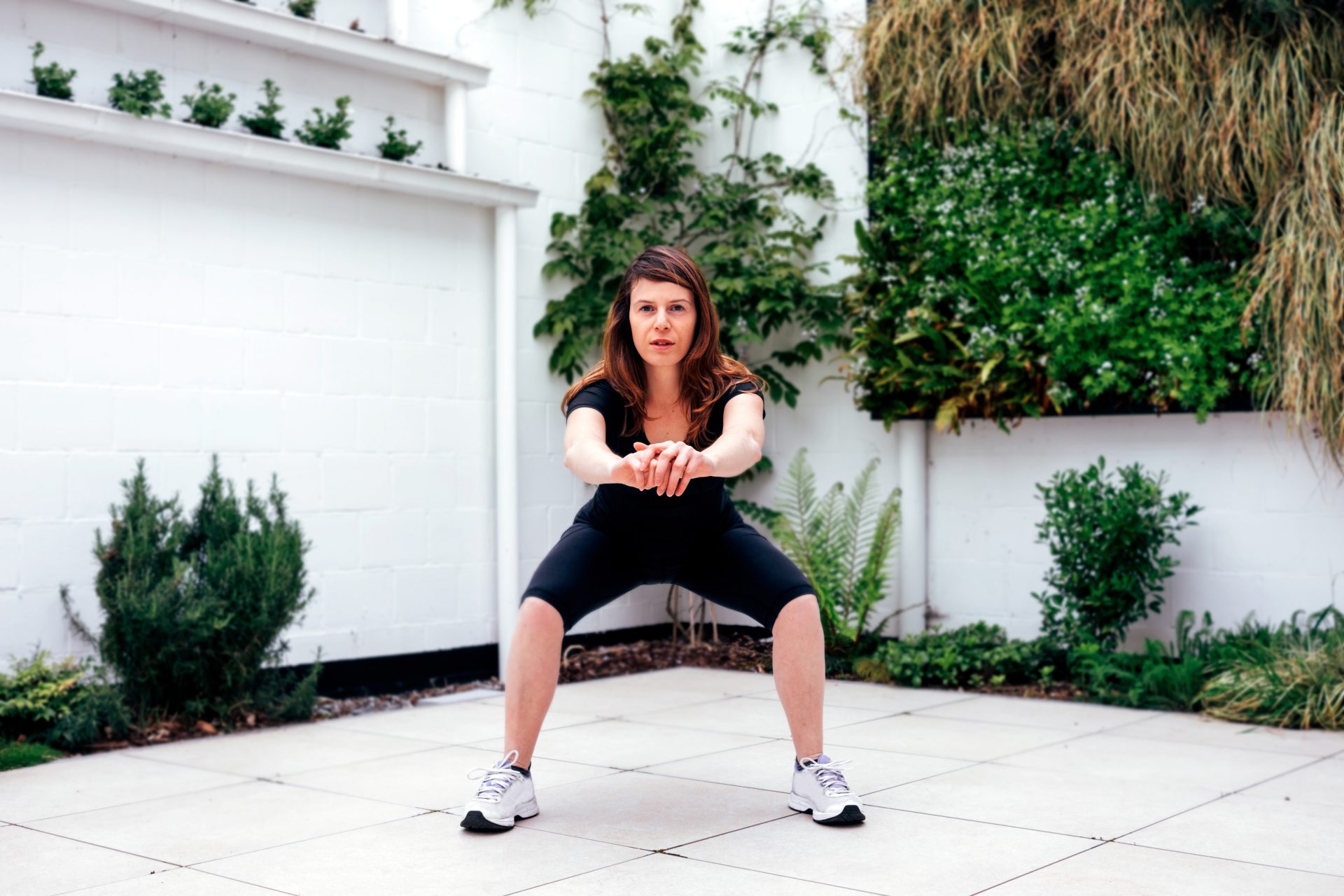
Sumo Squat — Inner Thighs (Adductors), Glutes, Quadriceps
The sumo squat’s wide stance specifically activates the inner thigh adductors — the muscle group most relevant to inner thigh appearance and most commonly undertrained in conventional squat programmes. It also provides excellent glute activation that complements the inner thigh development. Beginner: feet wider than shoulder-width with toes turned out 45 degrees; hold a water bottle at chest for counterbalance; focus on depth.
Lateral Band Walk — Gluteus Medius (Outer Thigh and Hip), Hip Abductors
The lateral band walk specifically targets the outer thigh and hip abductor muscles — the muscles responsible for the outer thigh shape and the hip stability that prevents knee valgus collapse in all lower body exercises. It is the most direct outer thigh exercise and simultaneously addresses one of the most common lower body movement dysfunction patterns. Beginner: place the resistance band above the knees rather than below; take small controlled steps rather than large ones.
Reverse Lunge with Lateral Raise — Quadriceps, Glutes, Inner Thigh (Adductors), Balance
The reverse lunge combines the posterior chain emphasis of stepping back (glute and hamstring activation) with the anterior quad loading of lunges — producing complete thigh development in a single movement. Adding an optional lateral raise of the leading knee at the return position increases inner thigh activation and balance challenge. Beginner: hold a chair for balance support; keep the step small until balance and leg strength develop.
Mistake 1: Expecting Targeted Thigh Exercises to Spot-Reduce Thigh Fat
The physiological reality is that fat reduction occurs systemically — thigh-specific exercises build the muscle but cannot directly reduce thigh fat. Overall fat reduction through caloric deficit and full-body training is required to reduce the fat layer.
Mistake 2: Only Doing Cardio for Thigh Reduction Without Resistance Training
Cardio alone reduces overall fat but does not build the thigh muscle tone that creates definition. Many practitioners do extensive cardio but remain dissatisfied because the thighs look ‘soft’ rather than toned without the underlying muscle development.
Mistake 3: Training Only the Front of the Thigh (Quads) and Neglecting Inner and Outer
Most lower body programmes emphasise quads through forward squats and lunges while neglecting the inner (adductors) and outer (abductors) thigh muscles that create the complete defined thigh shape.
Mistake 4: Neglecting Nutrition and Relying on Exercise Alone for Fat Reduction
No training programme produces thigh fat reduction without a moderate caloric deficit. Exercise creates 20–30% of the necessary deficit; nutrition creates the remaining 70–80%.
Complete Beginners Starting from Zero
No prior experience with strength training for thigh fat is required to start. Every movement is taught from its most foundational form, with modifications for those who cannot yet perform the standard version. Live instructor feedback prevents the form errors that cause beginners to plateau or get injured before results arrive.
Intermediate Trainees Who Have Hit a Plateau
If you have been exercising inconsistently or without structured progressive overload, strength training for thigh fat delivers the systematic load progression that general fitness classes do not. The programme targets the specific weaknesses and imbalances holding you back, producing results that months of unstructured training have failed to achieve.
Desk Workers and Sedentary Professionals
Extended sitting creates the exact muscle imbalances and weaknesses that strength training for thigh fat training corrects. No gym, no equipment, and no prior experience is required — the programme begins with bodyweight fundamentals and builds progressively from there. Habuild’s morning sessions fit into a working day without disruption.
Live Daily Sessions with Real-Time Instructor Feedback
Habuild’s live sessions provide real-time form corrections for the specific technique issues that thigh fat reduction and toning requires attention to. Unlike pre-recorded content, the live format means the instructor sees and corrects in the moment — building correct habits from the first session.
Condition-Specific Modifications in Every Session
Every exercise in the Habuild thigh fat reduction and toning programme is selected and modified with this specific population and goal in mind — not a generic class with an optional modification. The programme is built from the ground up for thigh fat reduction and toning outcomes.
Progressive Programming That Respects Your Timeline
The programme structure follows the physiological timeline of improvement — not an arbitrary 4-week marketing format. Progression is earned through demonstrated capacity and built in week by week.
Community of Members with the Same Goals


Practice Strong Everyday with Trishala Bothra, an IIT-B and London School of Business alumni
Trishala is focused on making movement feel lighter, more engaging, and something you actually look forward to.
In just 3 years, over 50,000 people began their strength journey, and 10,000+ join every week to keep getting stronger.