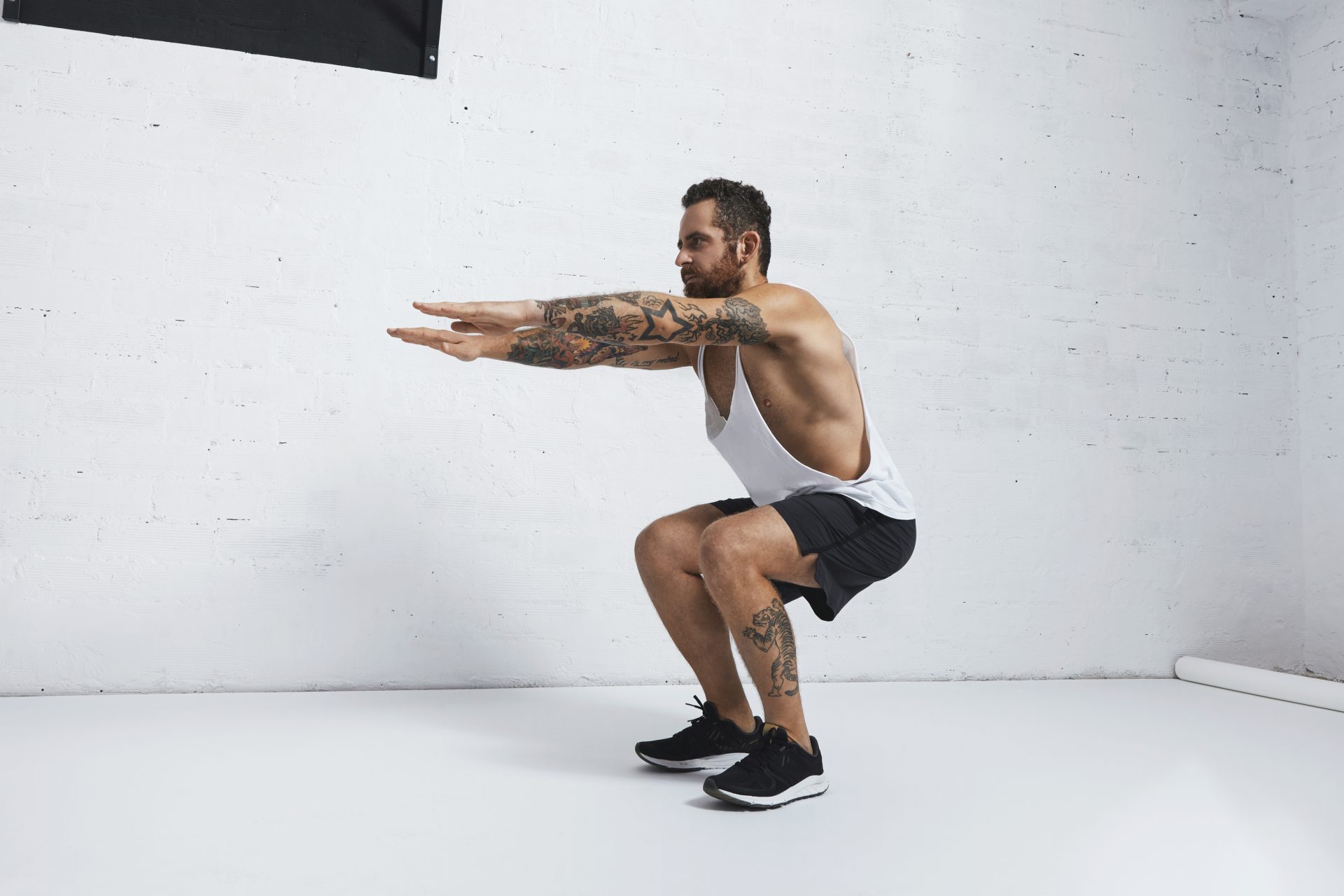
Resistance training for strength is a structured programme specifically focused on maximising the force output of the musculoskeletal system — developing the ability to produce more force against external resistance than the body could previously manage. What distinguishes strength-focused resistance training from fitness or hypertrophy training is its emphasis on progressive overload across the primary movement patterns: squat, hinge, push, pull, and carry, with loading parameters chosen to develop maximal force production rather than muscle size or cardiovascular adaptation. The mechanism of strength development is neuromuscular adaptation — the brain and nervous system becoming more efficient at recruiting motor units (groups of muscle fibres) simultaneously and at higher firing rates. This neural component explains why strength improves faster than muscle size in early training, and why strength training at higher intensities (lower rep ranges) produces different adaptations than higher-rep hypertrophy work. True strength training uses 60–85% of maximum load for 3–8 reps with adequate rest — parameters that maximise neuromuscular adaptation.
Start Your Free 14 Day Trial
Benefit 1: Maximum Strength Gains Through Progressive Overload
Structured progressive resistance training produces 25–40% strength improvements within 12 weeks — greater than any other training modality. The key is the systematic weekly increase in load that forces the neuromuscular system to continue adapting.
Benefit 2: Improved Functional Capacity for All Physical Activities
Strength developed through resistance training transfers directly to every physical activity — sport, daily life, and work. Stronger people find every physical task easier, recover from effort faster, and maintain capacity for longer across their lifespan.
Benefit 3: Better Body Composition and Metabolic Health
Strength-focused resistance training builds lean muscle mass — raising the resting metabolic rate and improving the body composition that metabolic health depends on. Men and women who strength train have measurably better insulin sensitivity and blood glucose control than sedentary counterparts.
Benefit 4: Reduced Injury Risk Across All Physical Activities
Stronger muscles, tendons, and connective tissue better absorb the forces of sport and daily activity — reducing the probability of the strains, tears, and overuse injuries that are significantly more common in those with inadequate strength development.
Protein — The Foundation of Strength Training
Aim for 1.6–2.0g of protein per kg of bodyweight per day. Best sources include eggs, paneer, lentils (dal), chicken, Greek yoghurt, and whey protein. Distribute protein evenly across 3–4 meals rather than loading it all in one sitting. Adequate protein is non-negotiable — without it, training effort produces minimal adaptation regardless of programme quality.
Carbohydrates — Fuel for Strength Performance
Complex carbohydrates (oats, brown rice, sweet potato, whole wheat roti) should form 40–50% of total calories. Consume a carbohydrate-containing meal 60–90 minutes before your resistance training for strength session to ensure glycogen availability. Post-session carbohydrates restore muscle glycogen within the critical 30-minute recovery window.
Anti-Inflammatory Foods for Recovery
Include turmeric (with black pepper for bioavailability), ginger, and omega-3 rich foods (flaxseeds, walnuts, fatty fish) daily. These directly reduce the systemic inflammation that accumulates with consistent training, speeding recovery between sessions.
Hydration — Often Underestimated
Aim for 35–40ml of water per kg of bodyweight daily. Add an additional 500ml for every 30 minutes of active training. Even mild dehydration (2% body weight) measurably reduces strength output and exercise capacity.
Before You Begin — What to Check
No medical clearance required for healthy individuals. Those with cardiovascular conditions, joint replacements, or osteoporosis should consult their doctor before beginning. Establish strength baselines: max clean push-ups, chair stands in 30 seconds, and single-leg balance. Identify any pain or restriction that requires modification.
Your First 2 Weeks — Foundation Phase
Two sessions per week. Learn the five foundational movement patterns at bodyweight: squat (goblet squat), hinge (hip hinge), push (push-up), pull (band row), and carry (farmer’s walk with shopping bags). Form and pattern establishment before any significant loading.
Weeks 3–8 — Progressive Loading Phase
Three sessions per week. Introduce progressive loading across all five patterns. Work in the 5–8 rep range for strength development — heavier and lower reps than hypertrophy training. Add load weekly — the consistent small increase each week is the mechanism of progressive overload.
Beyond 8 Weeks — Long-Term Maintenance
Introduce periodisation — cycling through phases of higher volume (more sets) and higher intensity (heavier loads). Begin advanced variations: single-leg squat, loaded carry, tempo training. Measure strength through performance improvements: more reps at the same weight, or the same reps at more weight.

Goblet Squat to Loaded Squat Progression — Quadriceps, Glutes, Hamstrings, Core, Spinal Stabilisers
The goblet squat and its progressions build the foundational lower body strength that all other strength activities depend on — through the most important human movement pattern. Squatting with progressive load over weeks and months produces the greatest lower body strength gains and the highest hormonal response of any lower body exercise. Beginner: goblet squat with a water bottle at chest; progress to heavier bags or dumbbells weekly.
Bent-Over Row (Loaded Pull Pattern) — Latissimus Dorsi, Rhomboids, Biceps, Core
The bent-over row develops the posterior chain pulling strength that is most frequently underdeveloped — providing the balance to pressing exercises and building the back strength that posture and upper body strength depend on. Pulling strength is often the limiting factor in overall strength performance. Beginner: table-edge bodyweight row; progress to resistance band, then light dumbbells in the bent-over position.
Romanian Deadlift (Hinge Pattern) — Hamstrings, Glutes, Spinal Erectors, Grip
The Romanian Deadlift is the most effective single exercise for posterior chain strength — the physical quality most predictive of overall strength and the most frequently undertrained relative to pushing and squatting muscles. Consistently loading the hip hinge pattern produces the hamstring, glute, and spinal erector strength that underpins all other strength activities. Beginner: bodyweight hip hinge with hands on thighs; add a bag or light dumbbells only after the neutral-spine pattern is established.
Mistake 1: Using Too Light a Weight to Produce a Strength Stimulus
For strength development specifically, the weight must be challenging at the target rep range — 75–85% of maximum is the evidence-supported zone for strength gains. Weights that feel easy at 8 reps produce no meaningful strength adaptation.
Mistake 2: Resting Too Little Between Sets (Appropriate for Hypertrophy, Not Strength)
Short rest periods (30–60 seconds) are appropriate for hypertrophy and conditioning goals. For strength development, 2–4 minutes between sets allows the neural recovery that produces maximum force output in the next set.
Mistake 3: Training Without Progressive Overload (Same Weight Every Session)
Performing the same exercises at the same weight for weeks produces adaptation then plateau. Strength improvement requires consistent, deliberate increases in load or difficulty.
Mistake 4: Neglecting Posterior Chain Training in Favour of Pressing Exercises
The posterior chain (hamstrings, glutes, upper back) contains more total muscle mass than any other body region — but most people’s programmes are pressing and quad dominant, leaving the largest muscle groups undertrained.
Complete Beginners Starting from Zero
No prior experience with resistance training for strength is required to start. Every movement is taught from its most foundational form, with modifications for those who cannot yet perform the standard version. Live instructor feedback prevents the form errors that cause beginners to plateau or get injured before results arrive.
Intermediate Trainees Who Have Hit a Plateau
If you have been exercising inconsistently or without structured progressive overload, resistance training for strength delivers the systematic load progression that general fitness classes do not. The programme targets the specific weaknesses and imbalances holding you back, producing results that months of unstructured training have failed to achieve.
Desk Workers and Sedentary Professionals
Extended sitting creates the exact muscle imbalances and weaknesses that resistance training for strength training corrects. No gym, no equipment, and no prior experience is required — the programme begins with bodyweight fundamentals and builds progressively from there. Habuild’s morning sessions fit into a working day without disruption.
Live Daily Sessions with Real-Time Instructor Feedback
Habuild’s live sessions provide real-time form corrections for the specific technique issues that resistance training for strength requires attention to. Unlike pre-recorded content, the live format means the instructor sees and corrects in the moment — building correct habits from the first session.
Condition-Specific Modifications in Every Session
Every exercise in the Habuild resistance training for strength programme is selected and modified with this specific population and goal in mind — not a generic class with an optional modification. The programme is built from the ground up for resistance training for strength outcomes.
Progressive Programming That Respects Your Timeline
The programme structure follows the physiological timeline of improvement — not an arbitrary 4-week marketing format. Progression is earned through demonstrated capacity and built in week by week.
Community of Members with the Same Goals


Practice Strong Everyday with Trishala Bothra, an IIT-B and London School of Business alumni
Trishala is focused on making movement feel lighter, more engaging, and something you actually look forward to.
In just 3 years, over 50,000 people began their strength journey, and 10,000+ join every week to keep getting stronger.