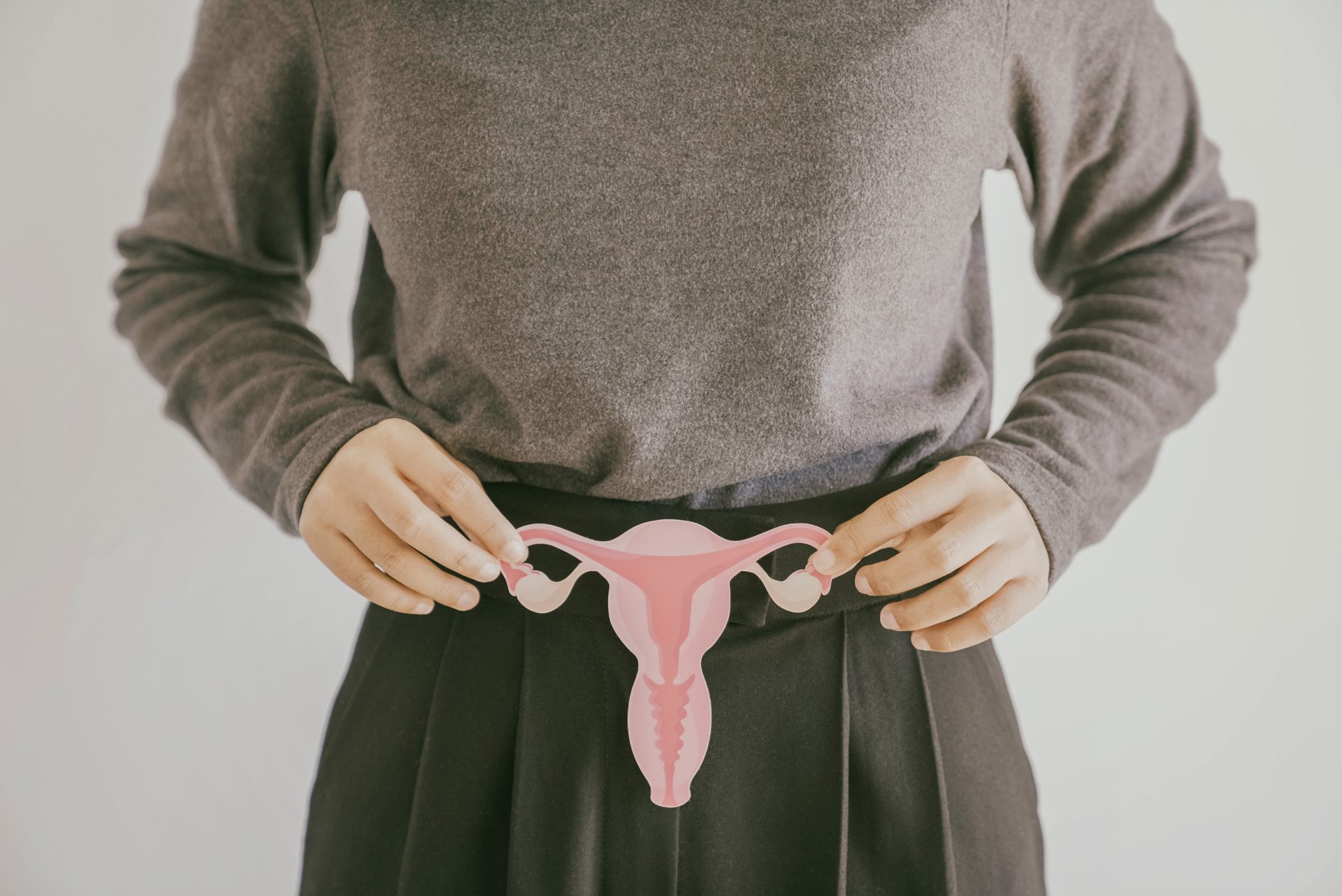
Exercises for vaginismus specifically target the pelvic floor musculature — particularly the levator ani and superficial perineal muscles — whose involuntary spasm causes the pain and entry difficulty of vaginismus. Unlike Kegel exercises (which strengthen pelvic floor muscles), exercises to help with vaginismus focus primarily on pelvic floor relaxation and coordination — learning to voluntarily release muscles that have been habitually contracted. This is a fundamentally different skill from strength training. The mechanism: vaginismus is maintained by the anxiety-tension-pain cycle — anticipatory anxiety triggers protective pelvic floor contraction, which creates pain, which increases anxiety for subsequent attempts. Exercises for vaginismus interrupt this cycle at multiple points: breathing exercises reduce the anxious sympathetic activation that triggers the spasm; hip opening stretches reduce the tight hip rotators that contribute to pelvic floor tension; pelvic floor relaxation exercises develop the conscious release skill that is the primary therapeutic goal. Habuild’s yoga-based approach addresses both the physical pelvic floor dysfunction and the nervous system component.
Start Your Free 14 Day TrialPelvic Floor Coordination — Release, Not Just Strength The primary benefit of pelvic floor exercises for vaginismus is improved coordination — specifically the ability to consciously release pelvic floor muscles on demand. This voluntary release skill is the foundation of vaginismus management and the primary goal of all therapeutic exercise for this condition. Research: Pelvic floor physical therapy combining relaxation exercises, dilator therapy, and breathing produces 80–100% success rates in primary vaginismus — Journal of Sexual Medicine, 2020. Reduced Pelvic Tension Through Hip Opening Tight hip rotators (piriformis, obturator internus) directly increase pelvic floor tension. Hip opening yoga poses and stretches for vaginismus release this surrounding tension, reducing the baseline pelvic floor contracture that makes voluntary release more difficult. Improved Circulation to Pelvic Structures Chronic pelvic floor tension restricts local circulation. Hip opening exercises and inversions improve blood flow to the pelvic floor musculature, supporting tissue health and reducing the chronic inflammation contribute to pelvic pain. WHO: Regular moderate activity, including yoga and pelvic floor exercises, reduces cardiovascular and musculoskeletal disease risk by up to 35% — including pelvic floor dysfunction management. Reduced Anxiety — Interrupting the Fear-Tension-Pain Cycle Yoga’s parasympathetic activation is particularly relevant for vaginismus because the condition is maintained by anxiety-driven sympathetic overactivation. Consistent yoga practice produces the nervous system baseline that makes voluntary pelvic floor release progressively more accessible.
Protein — The Foundation of Vaginismus Training
Aim for 1.6–2.0g of protein per kg of bodyweight per day. Best sources include eggs, paneer, lentils (dal), chicken, Greek yoghurt, and whey protein. Distribute protein evenly across 3–4 meals rather than loading it all in one sitting. Adequate protein is non-negotiable — without it, training effort produces minimal adaptation regardless of programme quality.
Carbohydrates — Fuel for Vaginismus Performance
Complex carbohydrates (oats, brown rice, sweet potato, whole wheat roti) should form 40–50% of total calories. Consume a carbohydrate-containing meal 60–90 minutes before your exercises for vaginismus session to ensure glycogen availability. Post-session carbohydrates restore muscle glycogen within the critical 30-minute recovery window.
Anti-Inflammatory Foods for Recovery
Include turmeric (with black pepper for bioavailability), ginger, and omega-3 rich foods (flaxseeds, walnuts, fatty fish) daily. These directly reduce the systemic inflammation that accumulates with consistent training, speeding recovery between sessions.
Hydration — Often Underestimated
Aim for 35–40ml of water per kg of bodyweight daily. Add an additional 500ml for every 30 minutes of active training. Even mild dehydration (2% body weight) measurably reduces strength output and exercise capacity.
Before You Begin — Setting Your Baseline
Before beginning, assess your current fitness level honestly. Can you complete 10 bodyweight squats with good form? Can you hold a plank for 20 seconds? These are the practical baselines for this programme. Set a specific, measurable goal — not just ‘get stronger’ but ‘complete all sessions consistently for 8 weeks’. Identify what space and equipment you have available.
Week 1–2: Foundation and Form
Focus entirely on movement quality, not load or intensity. Every exercise should be performed through full range of motion with controlled tempo. Use this phase to build the motor patterns that make exercises for vaginismus training safe and effective long-term. 3 sessions per week is the optimal starting frequency — enough stimulus for adaptation, enough recovery to avoid overuse.
Week 3–4: Building Progressive Load
Once form is consistent, introduce progressive overload by adding 1–2 reps per set or a small increase in resistance each week. Track your sessions in a simple log — date, exercises, sets, reps. This data tells you exactly when to progress and prevents both undertraining and overtraining.
Ongoing: Consistency Over Intensity
The single biggest determinant of vaginismus results is session consistency over 8–12 weeks. Missing one session is inconsequential; missing two consecutive weeks disrupts adaptation. Habuild’s live daily sessions are specifically designed to remove the decision-making barrier — the session is always there, always structured.
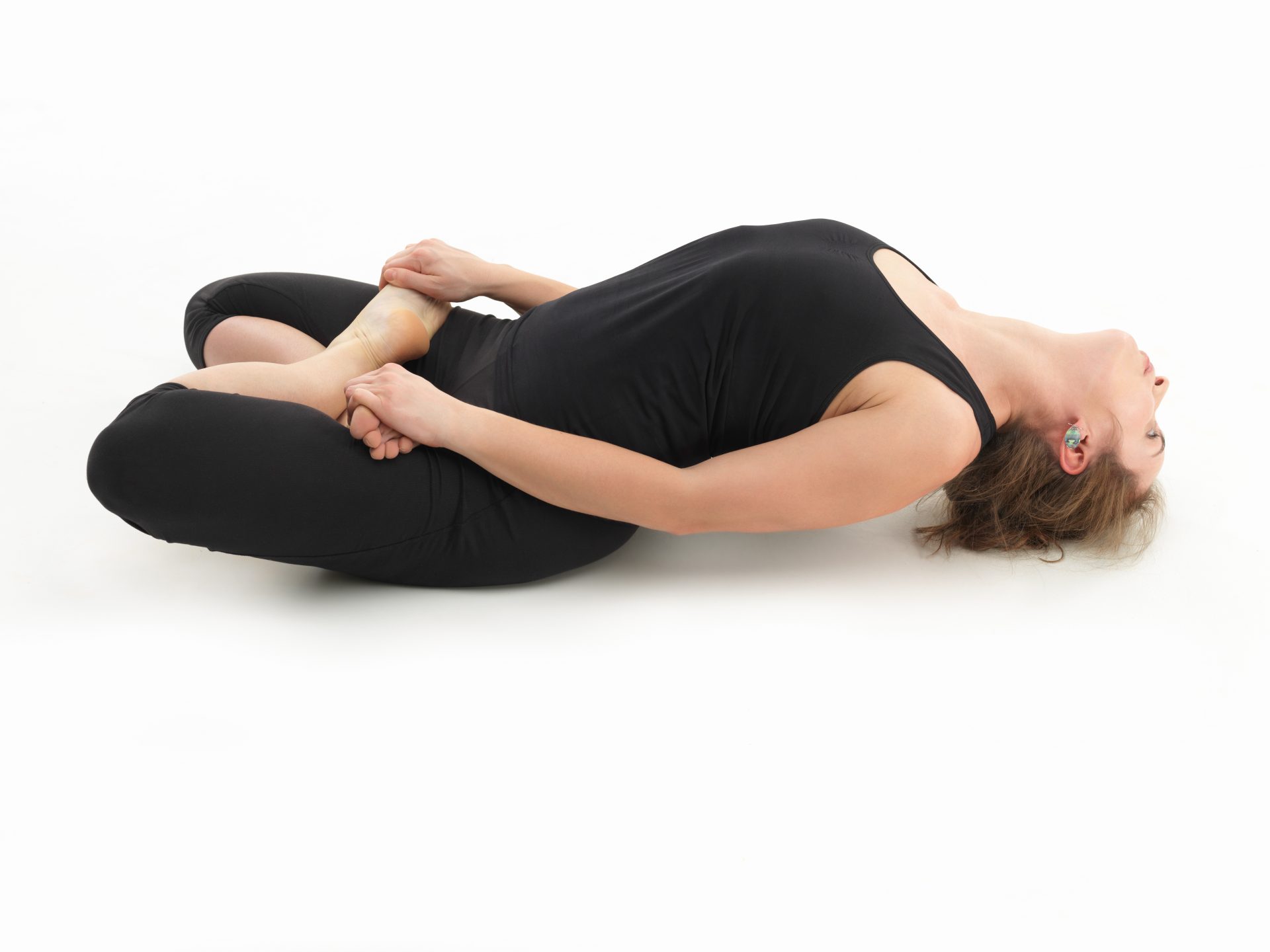
Diaphragmatic Breathing with Pelvic Floor Release — Daily, 10 minutes Target: Pelvic floor, diaphragm, nervous system. Why it works: The diaphragm and pelvic floor move together — on inhalation, both descend; on exhalation, both rise. Diaphragmatic breathing with conscious pelvic floor softening on the inhale is the most direct exercise for vaginismus pelvic floor relaxation. Practice: Lying on back, knees bent. Inhale deeply into the belly — feel the pelvic floor gently expand and soften. Exhale slowly. 10 minutes daily. This is the foundation of all vaginismus exercises. Reclined Bound Angle (Supta Baddha Konasana) — Pelvic Floor + Inner Thighs — 5–10 minutes daily Target: Adductors, pelvic floor, inner hip. Why it works: This gentle hip-opening pose progressively releases the inner thigh and pelvic floor tension that contributes to vaginismus. Combined with diaphragmatic breathing, it is one of the most effective stretches for vaginismus available. Practice: Lying on back, soles of feet together, knees falling open. Support knees with blankets if needed. Breathe into the pelvic floor on every inhale. Child’s Pose (Balasana) — Pelvic Floor Decompression — Hold 5 minutes Target: Pelvic floor, lower back, hip rotators. Why it works: Child’s Pose produces gentle pelvic floor decompression in the forward-folded position — the closest available resting position to the therapeutic positions used in physiotherapy dilator protocols. The parasympathetic activation of Child’s Pose also directly reduces the anxious pelvic floor contraction of vaginismus.
Focusing Only on Strength (Kegels) Rather Than Release Kegel exercises (pelvic floor strengthening) can worsen vaginismus by further tightening already-overactive pelvic floor muscles. Fix: The primary goal in vaginismus is pelvic floor relaxation and coordination, not strength. Emphasise pelvic floor release exercises — diaphragmatic breathing with softening, Supta Baddha Konasana — over any contraction-focused work. Rushing Progress Attempting to progress pelvic exercises for vaginismus too quickly — before the nervous system has developed sufficient safety — triggers the fear-tension cycle and sets back progress. Fix: Weeks of breathing and relaxation practice before any direct pelvic work. Progress is measured in reduced anxiety and improved conscious release, not speed. Habuild’s sessions provide the patient progressive structure this requires. Practising Without Specialist Guidance Exercises for vaginismus are most effective as part of a comprehensive programme including pelvic physiotherapy assessment and dilator therapy under professional guidance. Fix: Yoga and breathing exercises complement pelvic physiotherapy — they address the nervous system and surrounding tissue dimensions that physiotherapy alone may not fully address. Use both, not either/or. Begin Your Pelvic Wellness Practice — First 7 Days ₹1
Complete Beginners Starting from Zero
No prior experience with exercises for vaginismus is required to start. Every movement is taught from its most foundational form, with modifications for those who cannot yet perform the standard version. Live instructor feedback prevents the form errors that cause beginners to plateau or get injured before results arrive.
Intermediate Trainees Who Have Hit a Plateau
If you have been exercising inconsistently or without structured progressive overload, exercises for vaginismus delivers the systematic load progression that general fitness classes do not. The programme targets the specific weaknesses and imbalances holding you back, producing results that months of unstructured training have failed to achieve.
Women Across All Life Stages
From managing vaginismus to building long-term functional strength, women benefit from targeted, progressive training that respects hormonal fluctuations and individual capacity. Habuild’s all-women session options provide a supportive, non-intimidating environment.
Circulation-Specific Programming — Nervous System First Habuild’s pelvic wellness sessions begin with extended pranayama (nervous system regulation), progress to gentle hip opening (surrounding tissue release), and close with guided Yoga Nidra (deepest parasympathetic activation available) — the sequencing that maximises pelvic floor relaxation.
Live Daily Sessions with Real-Time Guidance
The quality of diaphragmatic breathing and the pelvic floor softening cue require real-time guidance to develop correctly. Saurabh provides the live instruction that makes these subtle practices accessible.
Progressive Overload Built In
The depth of hip opening, the duration of relaxation holds, and the specificity of pelvic floor cueing are progressively increased — respecting the patient timeline that vaginismus recovery requires.
Accountability, Streaks and Community
Vaginismus recovery benefits from sustained, consistent daily practice over months. Habuild’s daily structure provides the accountability that sustains this practice.


Practice Strong Everyday with Trishala Bothra, an IIT-B and London School of Business alumni
Trishala is focused on making movement feel lighter, more engaging, and something you actually look forward to.
In just 3 years, over 50,000 people began their strength journey, and 10,000+ join every week to keep getting stronger.