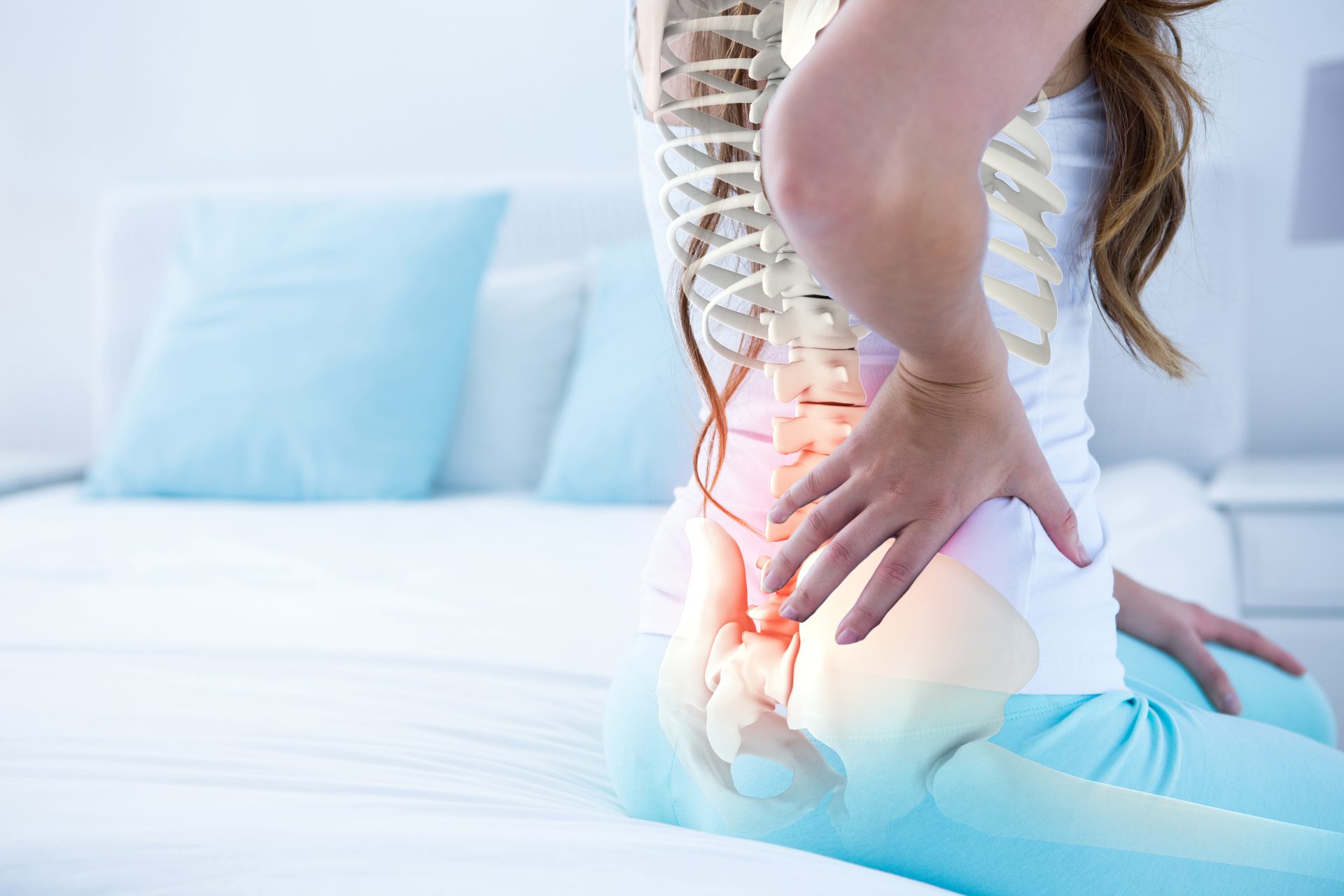
Exercises for spondylitis specifically address the inflammatory arthritis of the sacroiliac joints and spine that characterises ankylosing spondylitis — and the mechanical spondylosis of the cervical and lumbar spine that is the more common, degenerative presentation.
The critical distinction: exercises to reduce spondylitis are anti-inflammatory through both direct mechanisms (improved spinal circulation) and systemic mechanisms (cortisol reduction cytokine reduction from aerobic exercise).
Immobility worsens spondylitis by allowing inflammatory exudate to organise into the fibrous adhesions that produce the characteristic spinal fusion of advanced AS.
The mechanism: regular spinal mobilisation exercises (Cat-Cow, spinal rotation, chest expansion) maintain the joint space in each spinal segment by preventing the inflammatory tissue deposition that narrows it.
Improved spinal circulation — from both aerobic exercise and targeted spinal yoga — delivers anti-inflammatory factors and removes the inflammatory metabolites that drive joint damage.
Deep breathing exercises specifically maintain thoracic cage mobility, which is progressively restricted in AS and leads to the characteristic reduced lung capacity of advanced presentations.
Stretching exercises for ankylosing spondylitis that combine all three mechanisms produce the most comprehensive available conservative management.
Maintained Spinal Mobility
Slowing Fusion Progression The primary goal of exercises for spondylitis — maintaining the range of motion in each spinal segment through daily mobilisation that prevents the inflammatory adhesion formation that progressively fuses the spine. Every day of missed spinal exercises allows the inflammatory process to advance the fusion that daily exercises postpone. Research: Daily physical exercise (spinal mobility + aerobic) produced significantly less radiographic progression of ankylosing spondylitis over 2 years compared to sedentary controls — Annals of the Rheumatic Diseases, 2019.
Reduced Inflammatory Load
Systemic Anti-Inflammatory Effect Aerobic exercise produces the most powerful available natural anti-inflammatory effect — reducing CRP, TNF-alpha, and IL-6 (the inflammatory markers elevated in AS) through multiple mechanisms. Regular exercises to reduce spondylitis inflammation produce measurable reductions in the blood markers of AS disease activity.
Maintained Thoracic Cage Mobility
Preserved Lung Capacity Thoracic cage restriction is a specific complication of AS — reducing the chest expansion that allows full lung capacity. Deep breathing exercises and chest-opening yoga poses specifically maintain this mobility, preserving the respiratory function that AS progressively threatens. WHO: 150 minutes per week of moderate exercise significantly reduces inflammatory disease burden and improves functional outcomes in inflammatory arthritis conditions including AS.
Improved Posture
Preventing the Hyperkyphosis of Advanced AS The characteristic stooped posture of advanced AS — progressive thoracic kyphosis and forward head carriage — is prevented by consistent postural exercises that maintain the spinal extensor strength and thoracic extension that counteract the inflammatory flexion forces of the condition.
Protein — The Foundation of Spondylitis Training
Aim for 1.6–2.0g of protein per kg of bodyweight per day. Best sources include eggs, paneer, lentils (dal), chicken, Greek yoghurt, and whey protein. Distribute protein evenly across 3–4 meals rather than loading it all in one sitting. Adequate protein is non-negotiable — without it, training effort produces minimal adaptation regardless of programme quality.
Carbohydrates — Fuel for Spondylitis Performance
Complex carbohydrates (oats, brown rice, sweet potato, whole wheat roti) should form 40–50% of total calories. Consume a carbohydrate-containing meal 60–90 minutes before your exercises for spondylitis session to ensure glycogen availability. Post-session carbohydrates restore muscle glycogen within the critical 30-minute recovery window.
Anti-Inflammatory Foods for Recovery
Include turmeric (with black pepper for bioavailability), ginger, and omega-3 rich foods (flaxseeds, walnuts, fatty fish) daily. These directly reduce the systemic inflammation that accumulates with consistent training, speeding recovery between sessions.
Hydration — Often Underestimated
Aim for 35–40ml of water per kg of bodyweight daily. Add an additional 500ml for every 30 minutes of active training. Even mild dehydration (2% body weight) measurably reduces strength output and exercise capacity.
Before You Begin — Setting Your Baseline
Before beginning, assess your current fitness level honestly. Can you complete 10 bodyweight squats with good form? Can you hold a plank for 20 seconds? These are the practical baselines for this programme. Set a specific, measurable goal — not just ‘get stronger’ but ‘complete all sessions consistently for 8 weeks’. Identify what space and equipment you have available.
Week 1–2: Foundation and Form
Focus entirely on movement quality, not load or intensity. Every exercise should be performed through full range of motion with controlled tempo. Use this phase to build the motor patterns that make exercises for spondylitis training safe and effective long-term. 3 sessions per week is the optimal starting frequency — enough stimulus for adaptation, enough recovery to avoid overuse.
Week 3–4: Building Progressive Load
Once form is consistent, introduce progressive overload by adding 1–2 reps per set or a small increase in resistance each week. Track your sessions in a simple log — date, exercises, sets, reps. This data tells you exactly when to progress and prevents both undertraining and overtraining.
Ongoing: Consistency Over Intensity
The single biggest determinant of spondylitis results is session consistency over 8–12 weeks. Missing one session is inconsequential; missing two consecutive weeks disrupts adaptation. Habuild’s live daily sessions are specifically designed to remove the decision-making barrier — the session is always there, always structured.

Cat-Cow (Marjaryasana-Bitilasana)
Complete Spinal Mobilisation — 20 rounds, 2×/day Target: All spinal segments from sacrum to cervical spine. Why it works: Cat-Cow is the single most important stretching exercise for ankylosing spondylitis — it takes every vertebral segment through its full range of flexion and extension daily, preventing the inflammatory adhesion formation that occurs when segments are not regularly mobilised. Frequency: Morning and evening, 20 rounds each.
Never miss this exercise
it is the daily maintenance that keeps the spine mobile. Beginner modification: Seated on chair, hands on knees.
Chest Expansion Exercise
Thoracic + Costovertebral Joints — Hold 5s, 3 × 10 reps Target: Costovertebral joints, thoracic spine, intercostal muscles, respiratory muscles. Why it works: Thoracic cage mobility preservation is specific to AS management. Stand with arms extended to sides, inhale maximally while expanding the chest, hold 5 seconds. This directly challenges the costovertebral joints that AS progressively restricts — exercises to reduce spondylitis must include specific chest expansion work. Measurement: Chest expansion of less than 2.5cm is a diagnostic criterion for AS — track this monthly as a progress measure.
Cobra Pose (Bhujangasana)
Spinal Extension — 3 × 5 breaths, 2×/day Target: Erector spinae, thoracic extension, anterior spinal decompression. Why it works: AS produces a characteristic flexion deformity — cobra pose specifically counteracts this by maintaining lumbar and thoracic extension range, strengthening the posterior spinal extensors, and preventing the anterior collapse that produces the AS kyphosis. Begin with baby cobra (forearms on floor); progress as tolerated. Avoid: During acute inflammatory flares — reduce to Cat-Cow only until inflammation subsides.
Resting During Flares
Unlike most pain conditions, Ankylosing Spondylitis (AS) worsens with rest — the inflammation organises into adhesions faster in immobile joints. Morning stiffness in AS specifically indicates the need for movement, not rest.
Fix:
During AS flares, replace active exercises with the gentlest available movements — Cat-Cow, chest expansion breathing, and shallow Cobra — rather than stopping entirely. Gentle daily movement is the medically recommended approach for AS management even during inflammatory activity.
Only Stretching Flexion
Missing Extension — AS produces a flexion deformity — practising only forward bends (which feel more comfortable) reinforces the deformity rather than counteracting it.
Fix:
Every spondylitis exercise session must include extension-dominant exercises (Cobra, spinal extension against wall) to counterbalance the AS flexion tendency. The comfortable direction is rarely the therapeutic direction in AS.
High-Impact Exercise During Active Inflammation
Running and jumping on inflamed sacroiliac joints can worsen the inflammatory response and accelerate joint damage during active disease.
Fix:
Swimming and cycling are the preferred aerobic exercises for AS — they provide cardiovascular and anti-inflammatory benefit without sacroiliac joint impact loading.
Complete Beginners Starting from Zero
No prior experience with exercises for spondylitis is required to start. Every movement is taught from its most foundational form, with modifications for those who cannot yet perform the standard version. Live instructor feedback prevents the form errors that cause beginners to plateau or get injured before results arrive.
Intermediate Trainees Who Have Hit a Plateau
If you have been exercising inconsistently or without structured progressive overload, exercises for spondylitis delivers the systematic load progression that general fitness classes do not. The programme targets the specific weaknesses and imbalances holding you back, producing results that months of unstructured training have failed to achieve.
People Recovering from Spondylitis Issues
Those who are actively managing spondylitis discomfort benefit most from guided, structured movement — unguided exercise risks aggravating the condition. Habuild’s live instructor supervision ensures every session stays within a safe, therapeutic range, making consistent rehabilitation possible at home.
Circulation-Specific Programming — Anti-Inflammatory Sequencing Habuild’s spondylitis sessions open with Cat-Cow mobilisation (maintaining all spinal segments), progress through chest expansion and Cobra (counteracting the AS flexion deformity), and close with Yoga Nidra (deepest anti-inflammatory parasympathetic activation) — the specific sequencing that addresses AS management most comprehensively.
Live Daily Sessions with Real-Time Corrections
AS exercise technique requires careful monitoring — the depth of extension, the pace of mobilisation, and the signs of flare-up that indicate reduction in intensity. Saurabh provides the live guidance that makes AS exercise both safe and effective.
Progressive Overload Built In
Exercise range, hold durations, and movement complexity are carefully increased as baseline mobility is maintained — building progressive improvements within the constraints of the condition.
Accountability, Streaks and Community
AS management requires lifelong daily exercise commitment. Habuild’s daily accountability structure and community support sustain this lifetime practice.
I joined this 7-day program to work on my strength and feel healthier. The exercises were simple yet effective.
I joined the Strength Session program to rebuild my yoga routine and bring back consistency after a long break.


Practice Strong Everyday with Trishala Bothra, an IIT-B and London School of Business alumni
Trishala is focused on making movement feel lighter, more engaging, and something you actually look forward to.
In just 3 years, over 50,000 people began their strength journey, and 10,000+ join every week to keep getting stronger.