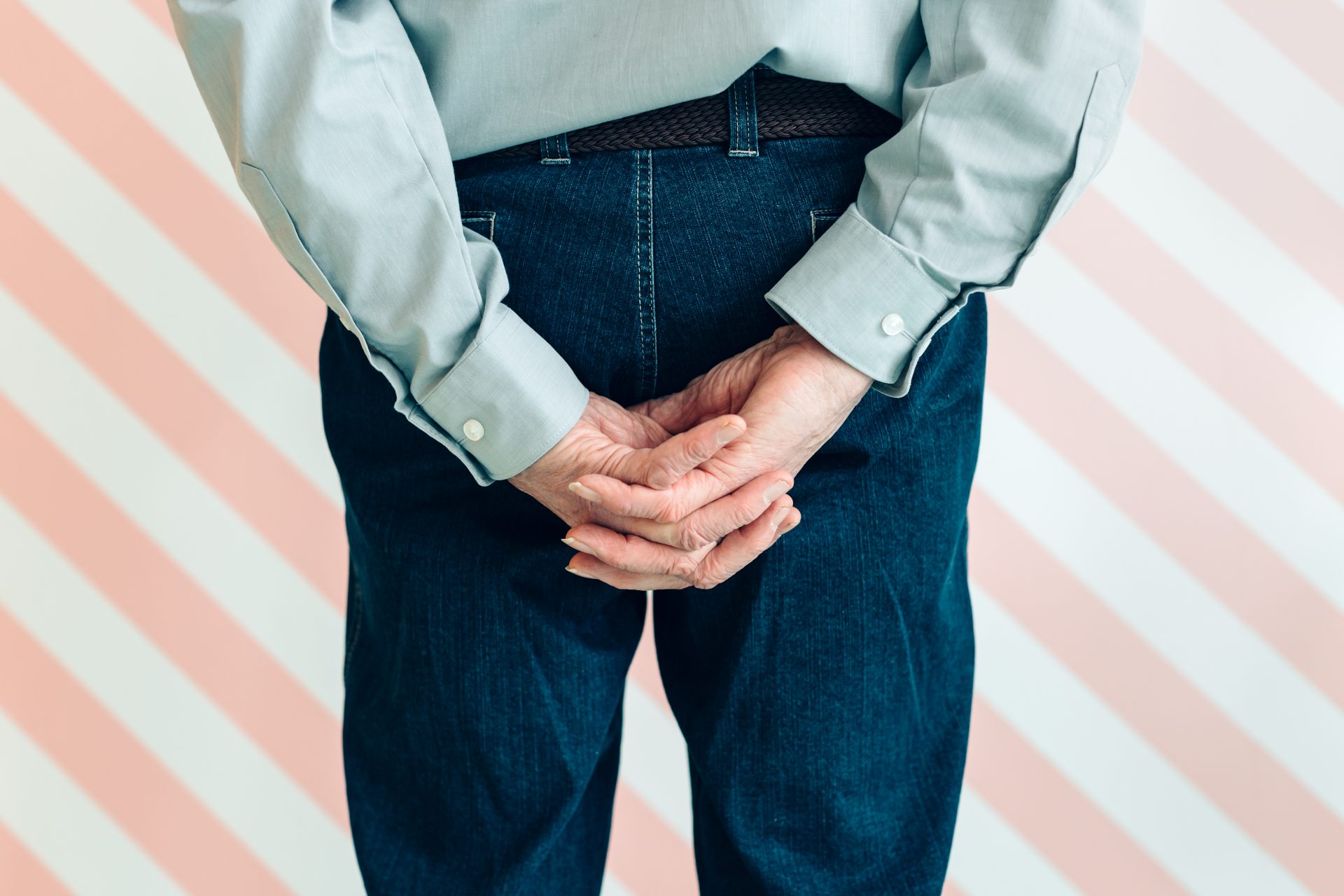
Exercises for piles are specifically selected to address the venous congestion of the haemorrhoidal plexus — the cluster of veins in the anorectal wall whose dilation produces piles. Like varicose veins (which are essentially the same pathology at a different anatomical location), haemorrhoids develop when venous blood pressure in the anorectal region exceeds the capacity of the supporting tissue. Exercises that specifically improve anorectal venous return, reduce abdominal pressure (a primary driver of haemorrhoidal congestion), and prevent constipation (the straining from which directly worsens piles) are the evidence-based first-line conservative intervention for piles management. The mechanism: best exercise for haemorrhoids addresses the condition through three pathways. First, Mula Bandha (pelvic floor contraction and coordination) strengthens the puborectalis and external anal sphincter — the muscles whose weakness allows haemorrhoidal prolapse. Second, gentle inversions (Legs Up the Wall) reduce the gravitational congestion of the anorectal venous plexus. Third, Kapalbhati and walking prevent constipation — the primary aggravating factor. Exercise to avoid hemorrhoids during an acute episode differs from exercises for long-term prevention — acute episodes require rest from all high-pressure activities.
Start Your Free 14 Day TrialImproved Anorectal Circulation — Reduced Haemorrhoidal Engorgement Regular pelvic floor exercises and gentle inversions improve the venous return from the anorectal region, reducing the chronic venous engorgement that maintains haemorrhoidal tissue in an expanded, symptomatic state. Best exercise for haemorrhoids consistently reduces this congestion over weeks of practice. Research: Pelvic floor exercises combined with dietary fibre and adequate hydration produced complete resolution of grade 1–2 haemorrhoids in 78% of patients at 8 weeks — Colorectal Disease, 2018. Pelvic Floor Strengthening — Preventing Prolapse Mula Bandha (pelvic floor engagement) and Kegel-equivalent exercises strengthen the anal cushion support structures. This muscular support is the primary protective factor against haemorrhoidal prolapse and the discomfort of tissue descent. Constipation Prevention — Removing the Primary Aggravating Factor Straining during defaecation is the single most important modifiable risk factor for haemorrhoidal development and worsening. Exercises for constipation (Kapalbhati, walking, Pawanmuktasana) directly address this driver, making them the most important component of exercises to avoid hemorrhoids. WHO: Regular moderate exercise (150 min/week) reduces constipation risk and gastrointestinal disease burden — the most evidence-supported lifestyle modification for haemorrhoidal prevention. Reduced Sitting Pressure — Position Circulation Improvement Prolonged sitting increases anorectal venous pressure — a primary driver of haemorrhoidal development in desk workers. Regular movement breaks and the postural awareness developed through yoga reduce the sitting time that worsens piles.
Protein — The Foundation of Piles Training
Aim for 1.6–2.0g of protein per kg of bodyweight per day. Best sources include eggs, paneer, lentils (dal), chicken, Greek yoghurt, and whey protein. Distribute protein evenly across 3–4 meals rather than loading it all in one sitting. Adequate protein is non-negotiable — without it, training effort produces minimal adaptation regardless of programme quality.
Carbohydrates — Fuel for Piles Performance
Complex carbohydrates (oats, brown rice, sweet potato, whole wheat roti) should form 40–50% of total calories. Consume a carbohydrate-containing meal 60–90 minutes before your exercises for piles session to ensure glycogen availability. Post-session carbohydrates restore muscle glycogen within the critical 30-minute recovery window.
Anti-Inflammatory Foods for Recovery
Include turmeric (with black pepper for bioavailability), ginger, and omega-3 rich foods (flaxseeds, walnuts, fatty fish) daily. These directly reduce the systemic inflammation that accumulates with consistent training, speeding recovery between sessions.
Hydration — Often Underestimated
Aim for 35–40ml of water per kg of bodyweight daily. Add an additional 500ml for every 30 minutes of active training. Even mild dehydration (2% body weight) measurably reduces strength output and exercise capacity.
Before You Begin — Setting Your Baseline
Before beginning, assess your current fitness level honestly. Can you complete 10 bodyweight squats with good form? Can you hold a plank for 20 seconds? These are the practical baselines for this programme. Set a specific, measurable goal — not just ‘get stronger’ but ‘complete all sessions consistently for 8 weeks’. Identify what space and equipment you have available.
Week 1–2: Foundation and Form
Focus entirely on movement quality, not load or intensity. Every exercise should be performed through full range of motion with controlled tempo. Use this phase to build the motor patterns that make exercises for piles training safe and effective long-term. 3 sessions per week is the optimal starting frequency — enough stimulus for adaptation, enough recovery to avoid overuse.
Week 3–4: Building Progressive Load
Once form is consistent, introduce progressive overload by adding 1–2 reps per set or a small increase in resistance each week. Track your sessions in a simple log — date, exercises, sets, reps. This data tells you exactly when to progress and prevents both undertraining and overtraining.
Ongoing: Consistency Over Intensity
The single biggest determinant of piles results is session consistency over 8–12 weeks. Missing one session is inconsequential; missing two consecutive weeks disrupts adaptation. Habuild’s live daily sessions are specifically designed to remove the decision-making barrier — the session is always there, always structured.
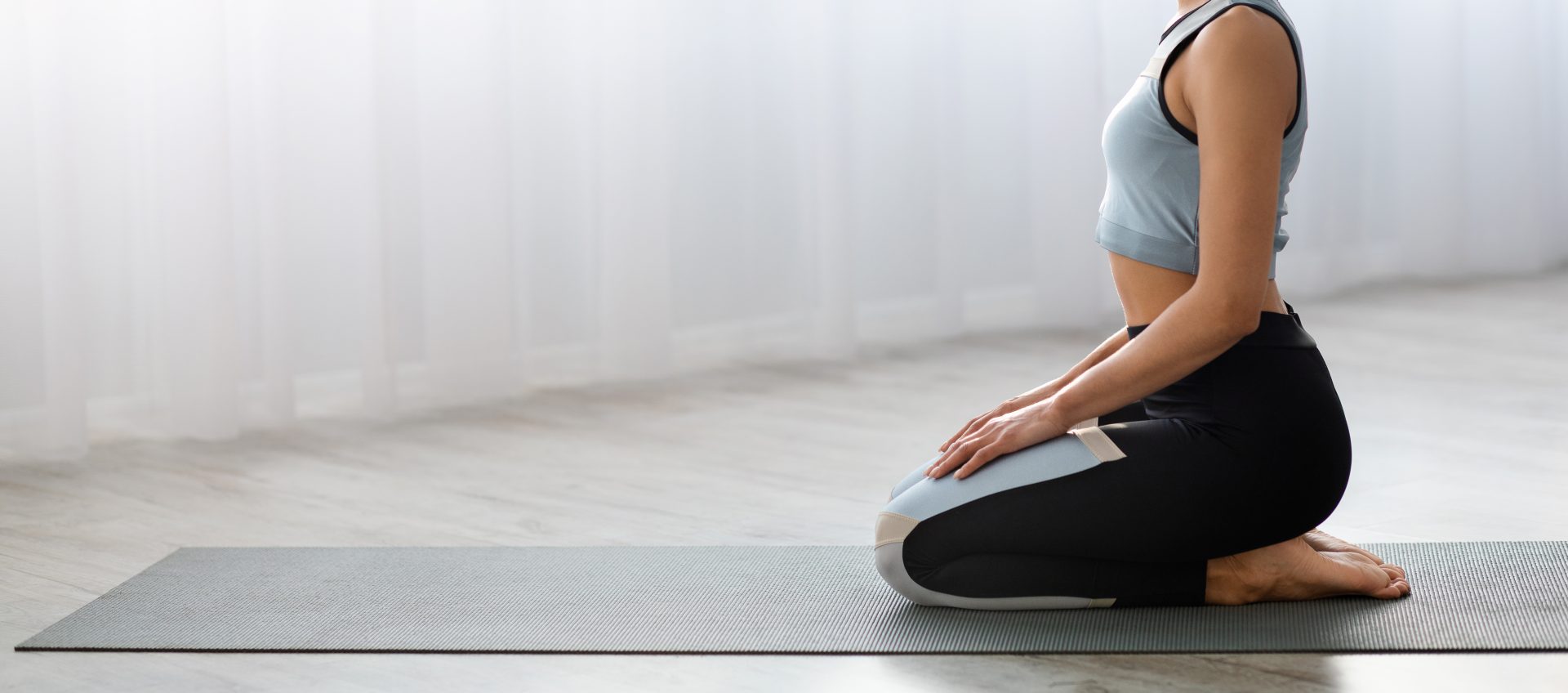
Mula Bandha (Pelvic Floor Engagement) — Anal Support Musculature — 3 × 10 reps, 5s holds Target: Puborectalis, external anal sphincter, pelvic floor. Why it works: Mula Bandha directly strengthens the anal cushion support structures — the primary preventive exercise for haemorrhoidal prolapse. Contract the pelvic floor and anus upward (as if stopping urination), hold 5 seconds, release completely. The complete release is as important as the contraction. Best exercise for haemorrhoids prevention. Beginner modification: Seated on a chair — the position does not affect effectiveness. Viparita Karani (Legs Up the Wall) — Anorectal Venous Drainage — Hold 10–15 minutes Target: Haemorrhoidal venous plexus, lower body venous return. Why it works: Gravity-assisted drainage of the anorectal venous plexus — directly reducing the haemorrhoidal congestion that produces pain, itching, and bleeding. Exercise to avoid hemorrhoids worsening: perform Viparita Karani daily, especially after prolonged sitting. Beginner modification: Pillow under hips if hamstrings are tight. Walking — Constipation Prevention + Venous Return — 20–30 minutes daily Target: Intestinal motility, venous pump, anorectal pressure reduction. Why it works: Walking is the most evidence-supported single exercise for piles prevention because it simultaneously prevents constipation (activating the gastrocolic reflex), activates the calf muscle venous pump (reducing lower body venous congestion including haemorrhoidal), and reduces sitting time. Timing: Post-meal walking specifically prevents the straining that worsens piles.
Performing Heavy Weightlifting or HIIT During Active Piles High-intensity exercise involving breath-holding (Valsalva manoeuvre) and heavy intra-abdominal pressure (heavy squats, deadlifts) dramatically increases anorectal venous pressure, worsening acute haemorrhoidal symptoms. Fix: During active piles episodes, limit exercise to walking, Mula Bandha, and Viparita Karani. Resume weight-bearing exercise only after acute symptoms fully resolve. Habuild’s programme includes specific piles-safe modifications for all exercise. Sitting on the Toilet Longer Than Necessary Prolonged toilet sitting increases anorectal pressure and haemorrhoidal congestion — directly worsening piles beyond any exercise benefit. Fix: Limit toilet sitting to under 5 minutes. Use a footstool to raise the feet (squatting position reduces haemorrhoidal pressure by straightening the anorectal angle). This positional change is as important as any exercise. Skipping Pelvic Floor Work Focusing only on walking and dietary changes while neglecting Mula Bandha — the direct piles prevention exercise — misses the structural strengthening that prevents prolapse. Fix: Mula Bandha 3×/day (10 reps each, 5-second holds) — performed at desk, in the car, or anywhere. This targeted pelvic floor work is the single most important specific exercise for piles prevention. Manage Piles with Expert Daily Guidance — First 7 Days ₹1
Complete Beginners Starting from Zero
No prior experience with exercises for piles is required to start. Every movement is taught from its most foundational form, with modifications for those who cannot yet perform the standard version. Live instructor feedback prevents the form errors that cause beginners to plateau or get injured before results arrive.
Intermediate Trainees Who Have Hit a Plateau
If you have been exercising inconsistently or without structured progressive overload, exercises for piles delivers the systematic load progression that general fitness classes do not. The programme targets the specific weaknesses and imbalances holding you back, producing results that months of unstructured training have failed to achieve.
People Recovering from Piles Issues
Those who are actively managing piles discomfort benefit most from guided, structured movement — unguided exercise risks aggravating the condition. Habuild’s live instructor supervision ensures every session stays within a safe, therapeutic range, making consistent rehabilitation possible at home.
Circulation-Specific Programming — Anorectal Pressure Management Habuild’s piles management sessions are specifically designed to avoid high-intra-abdominal pressure exercises — opening with walking flows, progressing through Pawanmuktasana (constipation prevention), Mula Bandha (piles prevention strengthening), and closing with Viparita Karani (venous drainage).
Live Daily Sessions with Real-Time Corrections
Mula Bandha engagement quality and the complete release (as important as the contraction) require live guidance to develop correctly. Saurabh provides the instruction that makes this subtle practice effective.
Progressive Overload Built In
Mula Bandha hold duration and walking distance are progressively increased as symptoms resolve — building the preventive pelvic floor strength that provides lasting piles management.
Accountability, Streaks and Community
Piles prevention requires consistent daily practice of both Mula Bandha and constipation prevention. Habuild’s accountability sustains this practice.


Practice Strong Everyday with Trishala Bothra, an IIT-B and London School of Business alumni
Trishala is focused on making movement feel lighter, more engaging, and something you actually look forward to.
In just 3 years, over 50,000 people began their strength journey, and 10,000+ join every week to keep getting stronger.