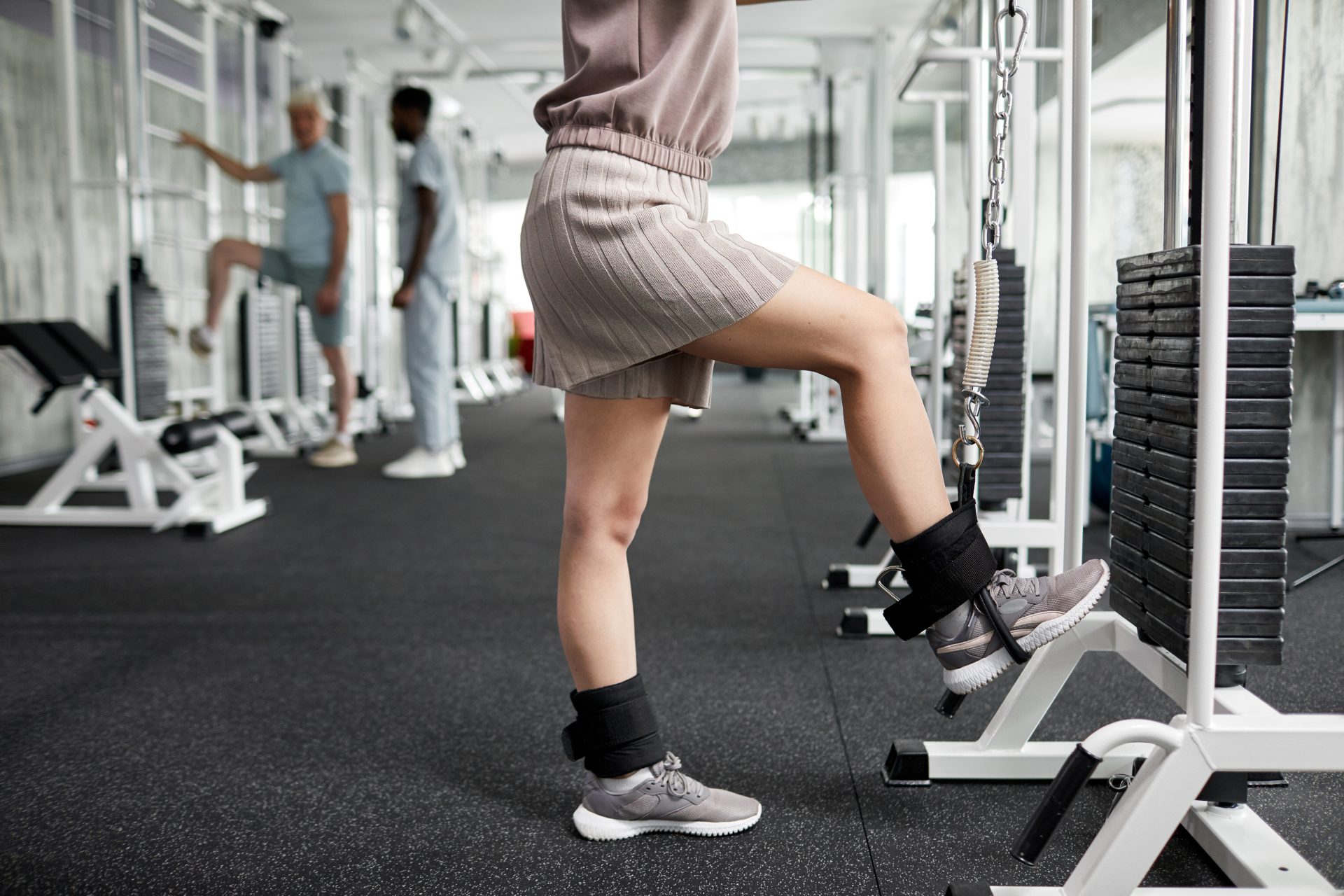
A calf strength workout is a targeted training programme for the gastrocnemius and soleus — the two muscles that form the calf complex — through progressive resistance loading in multiple positions. What makes a dedicated calf strength programme distinct from incidentally working the calves is the specific variation of training position (standing for gastrocnemius, seated for soleus), loading, tempo, and rep range that each head of the muscle requires for complete development and strength. The mechanism is dual-head activation through position-specific loading. The gastrocnemius — the larger, visible calf muscle — crosses both the knee and ankle joint, producing the most activation in the standing position with a straight knee. The soleus — the deeper, endurance-critical muscle — produces its greatest activation when the knee is bent (seated calf raise), which shortens the gastrocnemius and forces the soleus to work in relative isolation. Training both positions is non-negotiable for complete calf development and Achilles tendon health.
Start Your Free 14 Day Trial
Benefit 1: Stronger Ankle Plantarflexion for Athletic Performance
Calf strength is the primary source of the push-off force that propels running, jumping, and stair-climbing. Stronger calves directly translate to faster running, higher jump height, and more powerful lower body movements.
Benefit 2: Reduced Achilles Tendinopathy and Plantar Fasciitis Risk
The Achilles tendon transmits the full force of the calf to the heel — its resilience depends on the progressive loading that strengthens the tendon alongside the muscle. Consistent calf training produces tendon adaptation that significantly reduces injury risk.
Benefit 3: Improved Ankle Stability and Balance
Strong calves support ankle stability from below — contributing to the single-leg balance and surface-change adaptability that ankle stability requires. Better calf strength reduces the ankle rolling tendency that weak calves allow.
Benefit 4: Greater Lower Leg Definition and Aesthetic Development
The gastrocnemius is a highly visible muscle — developing it through targeted training produces the defined lower leg shape that running and general exercise alone cannot produce.
Protein — The Foundation of Calf Strength Workout Training
Aim for 1.6–2.0g of protein per kg of bodyweight per day. Best sources include eggs, paneer, lentils (dal), chicken, Greek yoghurt, and whey protein. Distribute protein evenly across 3–4 meals rather than loading it all in one sitting. Adequate protein is non-negotiable — without it, training effort produces minimal adaptation regardless of programme quality.
Carbohydrates — Fuel for Calf Strength Workout Performance
Complex carbohydrates (oats, brown rice, sweet potato, whole wheat roti) should form 40–50% of total calories. Consume a carbohydrate-containing meal 60–90 minutes before your calf strength workout session to ensure glycogen availability. Post-session carbohydrates restore muscle glycogen within the critical 30-minute recovery window.
Anti-Inflammatory Foods for Recovery
Include turmeric (with black pepper for bioavailability), ginger, and omega-3 rich foods (flaxseeds, walnuts, fatty fish) daily. These directly reduce the systemic inflammation that accumulates with consistent training, speeding recovery between sessions.
Hydration — Often Underestimated
Aim for 35–40ml of water per kg of bodyweight daily. Add an additional 500ml for every 30 minutes of active training. Even mild dehydration (2% body weight) measurably reduces strength output and exercise capacity.
Before You Begin — What to Check
Those with existing Achilles pain, plantar fasciitis, or recent ankle sprains should consult a physiotherapist before beginning. The specific position and tempo of calf exercises matters significantly for tendon health — incorrect loading can worsen Achilles conditions. Healthy individuals can begin conservatively without clearance. Baseline: how many single-leg calf raises can you perform through full range of motion?
Your First 2 Weeks — Foundation Phase
Two sessions per week. Standard bilateral calf raises (both legs) through full range of motion with 3-second eccentric lowering. Focus entirely on full range — heel dropping below the step level at the bottom and a full stretch before rising. 3 sets × 15 reps. No jumping or plyometrics in this phase.
Weeks 3–8 — Progressive Loading Phase
Three sessions per week. Introduce single-leg calf raises for the gastrocnemius and seated calf raises (or bent-knee wall calf raises) for the soleus. Begin the slow eccentric protocol: 3 seconds lowering, 1-second hold at the bottom, 1 second rising. 3 sets × 12–15 reps each variation.
Beyond 8 Weeks — Long-Term Maintenance
Increase loading through weighted calf raises (a backpack, a heavy bag held in the hands). Maintain the slow eccentric tempo throughout — speed of movement is the most common regression when loads increase. Train calves 3–4 times per week; they are a fatigue-resistant muscle group that tolerates higher frequency than most.
Standing Calf Raise (Slow Eccentric) — Gastrocnemius, Soleus (Secondary)
The standing calf raise with slow eccentric lowering is the most important calf exercise — combining gastrocnemius hypertrophy stimulus with the eccentric Achilles tendon loading that builds tendon resilience. The 3-second lowering phase is what makes this exercise the most effective Achilles tendon health exercise available. Beginner: perform bilateral (both feet) with hands on a wall for balance; progress to single-leg when bilateral strength is solid.
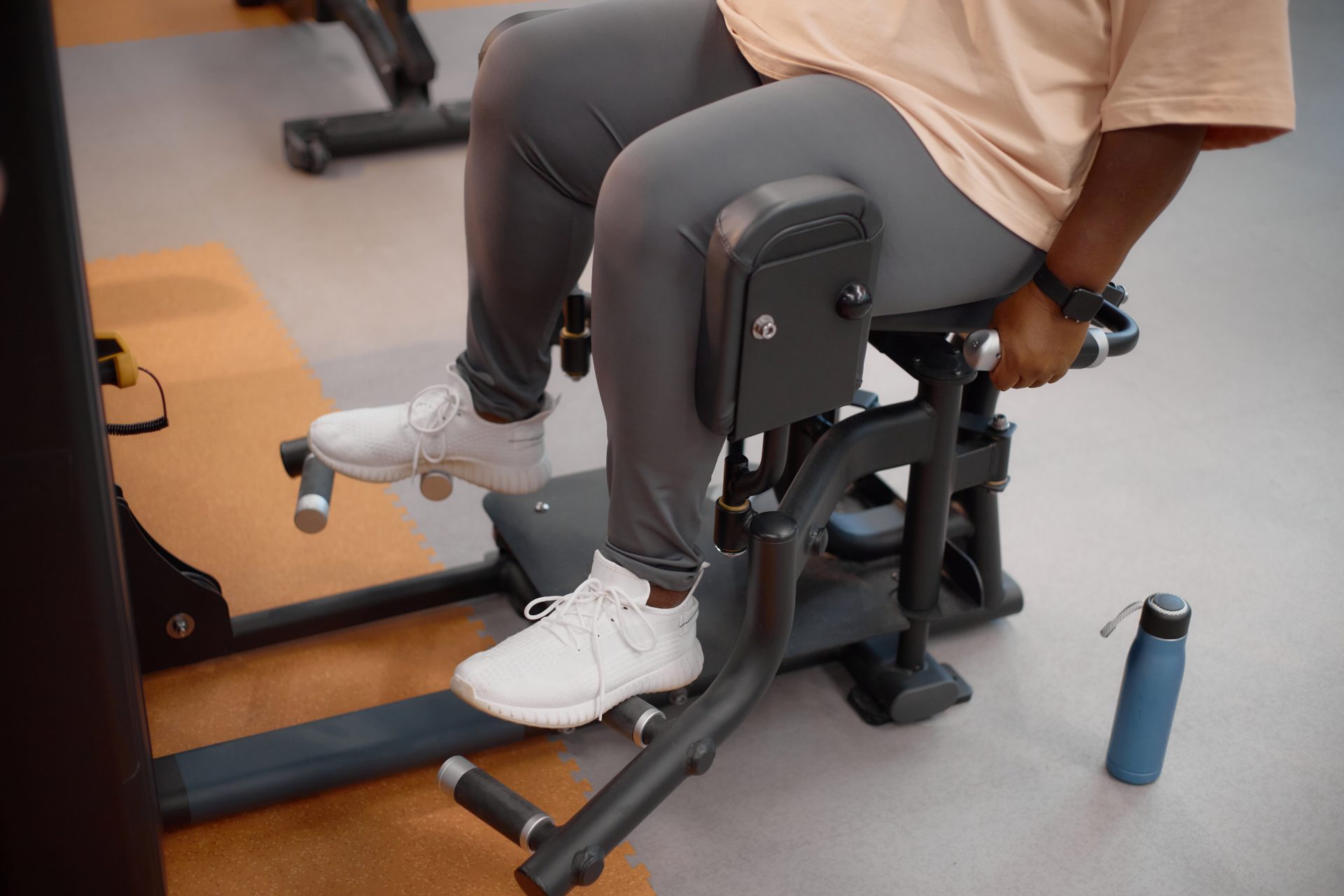
Seated or Bent-Knee Calf Raise — Soleus (Primary)
The bent-knee position shortens the gastrocnemius and forces the soleus to work as the primary mover — the only way to specifically train this important endurance muscle. Soleus strength is critical for runners and anyone who stands for extended periods. Beginner: sit on a chair and place a heavy bag on the thigh; rise onto the toes 15–20 times, 3 sets.
Single-Leg Calf Raise (Full Range) — Gastrocnemius, Soleus, Ankle Stabilisers
Single-leg loading doubles the demand on each calf compared to bilateral raises — producing greater strength and hypertrophy stimulus while also developing ankle stability and proprioception. The unilateral loading reveals and corrects left-right calf strength asymmetry. Beginner: hold a wall for balance; perform through the full range including the bottom stretch; add load only when 20 clean single-leg reps are consistently achievable.
Mistake 1: Performing Only Partial-Range Calf Raises
The majority of calf training benefit — and the majority of the Achilles tendon loading — occurs at the bottom of the movement (the stretched position). Partial-range calf raises where the heel never drops below the standing surface dramatically reduce the training stimulus.
Mistake 2: Only Training Gastrocnemius and Skipping Soleus (Seated Variation)
Training calves only in the standing position trains the gastrocnemius adequately but completely misses the soleus — a separate muscle that requires the bent-knee seated position for activation.
Mistake 3: Training Calves Too Infrequently
Calves are used constantly in walking and standing — they have significant fatigue resistance and require higher training frequency than most muscle groups to produce strength adaptation. Once-weekly calf training is typically insufficient for meaningful progress.
Mistake 4: Rushing the Eccentric Phase
The eccentric lowering phase of the calf raise is where the greatest tendon loading and hypertrophic stimulus occurs. Rushing through the lowering phase reduces both the training effectiveness and the tendon-building benefit.
Complete Beginners Starting from Zero
No prior experience with calf strength workout is required to start. Every movement is taught from its most foundational form, with modifications for those who cannot yet perform the standard version. Live instructor feedback prevents the form errors that cause beginners to plateau or get injured before results arrive.
Intermediate Trainees Who Have Hit a Plateau
If you have been exercising inconsistently or without structured progressive overload, calf strength workout delivers the systematic load progression that general fitness classes do not. The programme targets the specific weaknesses and imbalances holding you back, producing results that months of unstructured training have failed to achieve.
Desk Workers and Sedentary Professionals
Extended sitting creates the exact muscle imbalances and weaknesses that calf strength workout training corrects. No gym, no equipment, and no prior experience is required — the programme begins with bodyweight fundamentals and builds progressively from there. Habuild’s morning sessions fit into a working day without disruption.
Live Daily Sessions with Real-Time Instructor Feedback
Habuild’s live sessions — delivered daily by expert instructors — provide real-time form corrections for the specific technique errors that calf strength training requires attention to. Unlike pre-recorded content, the live format means the instructor can see you and correct in the moment — the difference between building correct habits and reinforcing incorrect ones.
Condition-Specific Modifications in Every Session
Every exercise in the Habuild calf strength programme is selected and modified with this specific goal in mind. Members are not attending a generic fitness class with a modification option bolted on — they are in a programme designed from the ground up for calf strength outcomes.
Progressive Programming That Respects Your Recovery Timeline
The programme structure follows the physiological timeline of improvement — not an arbitrary 4-week or 8-week marketing format. Progression is earned through demonstrated capacity, not assumed by a calendar week.
Community of Members With the Same Goals


Practice Strong Everyday with Trishala Bothra, an IIT-B and London School of Business alumni
Trishala is focused on making movement feel lighter, more engaging, and something you actually look forward to.
In just 3 years, over 50,000 people began their strength journey, and 10,000+ join every week to keep getting stronger.