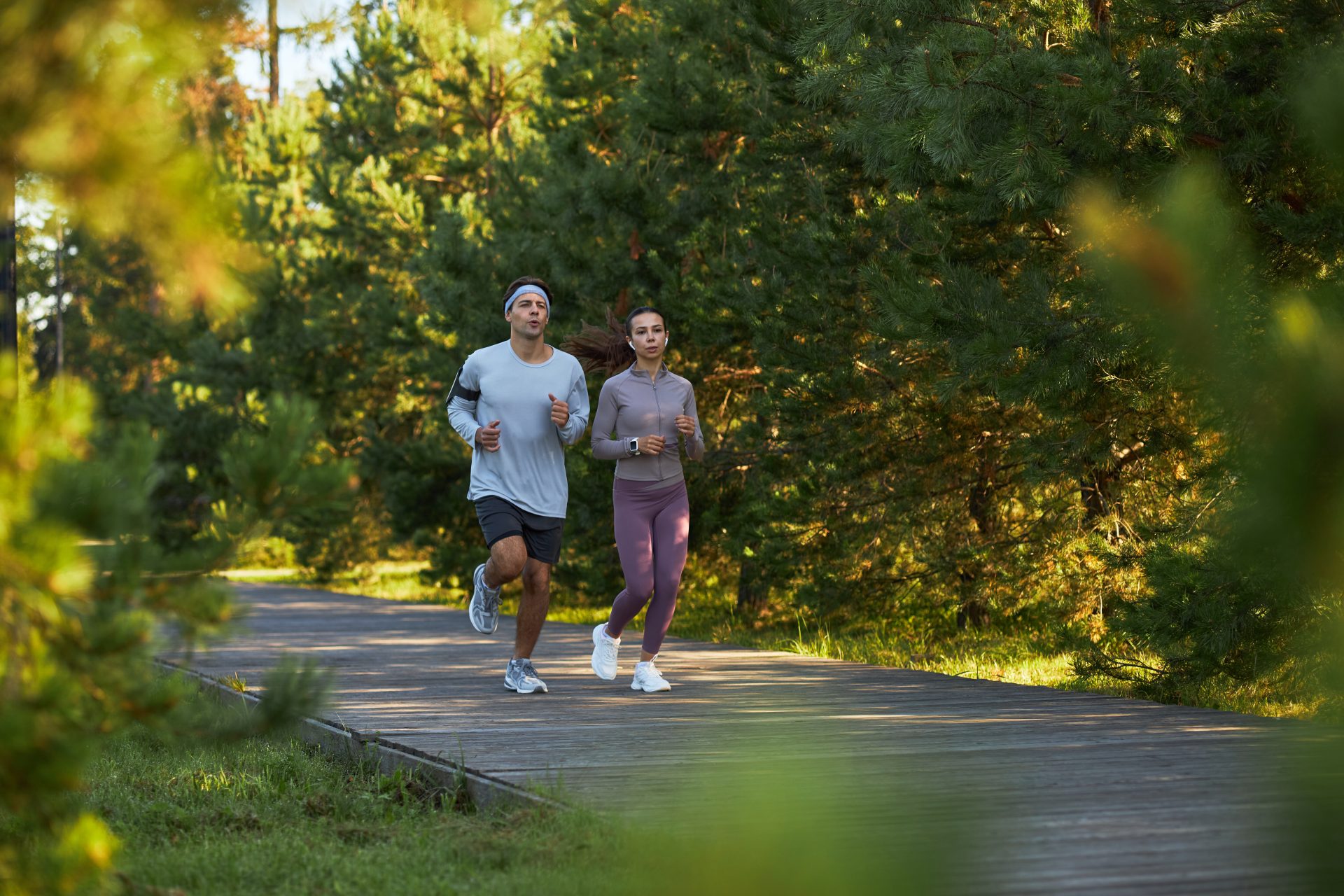
Exercises for high cholesterol are specifically chosen for their lipid metabolism impact — not their muscle-building effects effects. High cholesterol is primarily a metabolic condition: the liver produces and clears cholesterol through pathways regulated by hormones (cortisol, insulin, thyroid), dietary factors, and the physical activity status of the body. Exercises that best improve cholesterol are those that raise HDL (aerobic exercise above 50% VO2max), reduce triglycerides (any sustained aerobic activity), improve insulin sensitivity (reducing the insulin excess that drives hepatic cholesterol production), and reduce cortisol (which directly upregulates cholesterol synthesis). The circulatory mechanism: high LDL cholesterol causes endothelial dysfunction — the vessel wall damage that impairs vascular dilation and is the first step in atherosclerotic plaque development. Can exercise lower cholesterol through improved endothelial function? Yes — aerobic exercise produces nitric oxide release that directly counters the endothelial dysfunction of hypercholesterolaemia, improving vascular health even before significant LDL reduction occurs. The best exercise to lower cholesterol therefore improves cardiovascular health through multiple mechanisms simultaneously: lipid modification, endothelial function restoration, and the circulatory adaptations that reduce cardiovascular risk independently of cholesterol levels.
Start Your Free 14 Day TrialRaised HDL — The Most Directly Beneficial Cholesterol Change Raising HDL cholesterol is the most difficult single cholesterol modification to achieve through lifestyle — medication primarily lowers LDL; only aerobic exercise reliably and significantly raises HDL. The best exercise to lower cholesterol for HDL specifically: sustained moderate-intensity aerobic work above 50% VO2max performed consistently over weeks. Research: Regular aerobic exercise raises HDL cholesterol by 4–6% and reduces triglycerides by 10–15% in 12 weeks of 150+ minutes/week moderate exercise — American Journal of Cardiology, 2019 meta-analysis. Reduced LDL — Particle Size Modification While exercise produces modest direct LDL reduction, it importantly shifts LDL from the dangerous small-dense pattern (most atherogenic) to the larger, less atherogenic buoyant pattern — a change not captured in standard lipid panels but which significantly reduces cardiovascular risk independently of total LDL measurement. Improved Vascular Endothelial Function The most immediate cardiovascular benefit of exercises for high cholesterol — aerobic exercise’s nitric oxide production restores the endothelial function that high cholesterol impairs, improving vascular dilation and reducing the stiffness that increases cardiovascular risk. WHO: 150 minutes per week of moderate aerobic exercise reduces cardiovascular disease risk by up to 35% — even in individuals with elevated cholesterol — through endothelial, lipid, and inflammatory mechanisms. Reduced Cortisol — Addressing Stress-Driven Cholesterol Elevation Chronic stress elevates cortisol, which hepatic cholesterol synthesis cholesterol synthesis — the mechanism of stress-driven hypercholesterolaemia. Yoga’s cortisol reduction specifically addresses this pathway, complementing the lipid-direct effects of aerobic exercise for comprehensive cholesterol management.
Exercise alone produces modest cholesterol improvement — 4–6% HDL increase. The full benefit requires dietary management (reducing saturated fat, increasing fibre) alongside exercise. Fix: Combine daily exercise with increased soluble fibre (oats, legumes, psyllium), omega-3 rich foods, and reduced saturated fat. The combined lifestyle intervention produces 15–20% LDL reduction that exercise alone cannot achieve. Sitting Immediately After Aerobic Exercise The post-aerobic endothelial nitric oxide production that improves vascular health in hypercholesterolaemia is maximised during the cool-down period — sitting immediately curtails this benefit. Fix: 5–10 minutes of gentle walking or standing cool-down after every session allows the endothelial nitric oxide production to reach its post-exercise peak before activity cessation. Lower Cholesterol with Expert Daily Yoga and Exercise — First 7 Days ₹1
Before You Begin — Setting Your Baseline
Before beginning, assess your current fitness level honestly. Can you complete 10 bodyweight squats with good form? Can you hold a plank for 20 seconds? These are the practical baselines for this programme. Set a specific, measurable goal — not just ‘get stronger’ but ‘complete all sessions consistently for 8 weeks’. Identify what space and equipment you have available.
Week 1–2: Foundation and Form
Focus entirely on movement quality, not load or intensity. Every exercise should be performed through full range of motion with controlled tempo. Use this phase to build the motor patterns that make exercises for high cholesterol training safe and effective long-term. 3 sessions per week is the optimal starting frequency — enough stimulus for adaptation, enough recovery to avoid overuse.
Week 3–4: Building Progressive Load
Once form is consistent, introduce progressive overload by adding 1–2 reps per set or a small increase in resistance each week. Track your sessions in a simple log — date, exercises, sets, reps. This data tells you exactly when to progress and prevents both undertraining and overtraining.
Ongoing: Consistency Over Intensity
The single biggest determinant of high cholesterol results is session consistency over 8–12 weeks. Missing one session is inconsequential; missing two consecutive weeks disrupts adaptation. Habuild’s live daily sessions are specifically designed to remove the decision-making barrier — the session is always there, always structured.

Brisk Walking/Jogging — Cardiovascular + HDL Elevation — 30–45 minutes, daily Target: HDL elevation, triglyceride reduction, endothelial function. Why it works: The most evidence-supported exercise to reduce cholesterol — sustained moderate-intensity walking above 50% VO2max is the most reliable single HDL-raising intervention. The relationship between walking volume and HDL improvement is dose-dependent up to 3,000 calories of weekly expenditure. Sets/duration: 30–45 minutes daily at brisk pace. Beginner modification: 15-minute walks initially; increase by 5 minutes weekly toward the 30-minute target. Surya Namaskar — Complete Metabolic + Cortisol Management — 10–15 rounds daily Target: Aerobic metabolism, cortisol, insulin sensitivity, hepatic lipid metabolism. Why it works: Surya Namaskar combines the aerobic stimulus for HDL elevation with the yoga cortisol reduction that addresses stress-driven cholesterol synthesis — making it the single most comprehensive exercise for high cholesterol management. 10 rounds at flowing pace keeps heart rate at the HDL-optimising zone (65–75% maximum). Beginner modification: 5 slow rounds; increase by 1 round per week. Kapalbhati Pranayama — Cortisol + Metabolic Activation — 10 minutes daily (empty stomach) Target: Cortisol reduction, abdominal organ activation, metabolic rate. Why it works: Can exercise lower cholesterol through cortisol reduction? Yes — Kapalbhati specifically reduces the HPA axis overactivation that elevates hepatic cholesterol synthesis in chronic stress. For stress-related hypercholesterolaemia (one of the most common presentations), Kapalbhati addresses the root cause that aerobic exercise alone does not reach. Beginner modification: Begin at 30 exhalations/minute; build to 60 over 4 weeks.
Short Intense Sessions — Missing the HDL Threshold HDL elevation requires sustained moderate-intensity aerobic work above 50% VO2max for at least 20+ minutes per session. Short intense bursts below this duration threshold produce minimal HDL benefit. Fix: Prioritise session duration over intensity. 45 minutes of brisk walking produces more HDL benefit than 15 minutes of sprinting. The best exercise to lower cholesterol for HDL specifically is duration-dependent moderate aerobic work.
Complete Beginners Starting from Zero
No prior experience with exercises for high cholesterol is required to start. Every movement is taught from its most foundational form, with modifications for those who cannot yet perform the standard version. Live instructor feedback prevents the form errors that cause beginners to plateau or get injured before results arrive.
Intermediate Trainees Who Have Hit a Plateau
If you have been exercising inconsistently or without structured progressive overload, exercises for high cholesterol delivers the systematic load progression that general fitness classes do not. The programme targets the specific weaknesses and imbalances holding you back, producing results that months of unstructured training have failed to achieve.
Individuals Managing High Cholesterol Through Lifestyle
For those using exercise as part of a broader health management plan for high cholesterol, consistency and proper technique are non-negotiable. Habuild’s daily live sessions provide the structure and expert guidance that turns sporadic effort into a measurable health habit.
Circulation-Specific Programming — HDL-Optimising Sequencing Habuild’s cholesterol management sessions are structured for maximum HDL benefit: sustained moderate-pace Surya Namaskar (aerobic HDL stimulus) followed by Kapalbhati (cortisol and hepatic metabolism) and walking cool-down (endothelial nitric oxide maximisation) — the specific sequencing that addresses all cholesterol management mechanisms.
Live Daily Sessions with Real-Time Corrections
Maintaining the correct aerobic pace for HDL elevation (70% maximum heart rate) and the Kapalbhati technique that produces the cortisol reduction require live monitoring and instruction. Saurabh provides this in every session.
Progressive Overload Built In
Surya Namaskar rounds, walking duration, and exercise intensity are progressively increased — ensuring the cumulative aerobic volume that produces sustained lipid improvement.
Accountability, Streaks and Community
Cholesterol improvement requires 8–12 weeks of consistent daily aerobic practice. Habuild’s accountability sustains this commitment through the patience required for lipid panel improvement to manifest.


Practice Strong Everyday with Trishala Bothra, an IIT-B and London School of Business alumni
Trishala is focused on making movement feel lighter, more engaging, and something you actually look forward to.
In just 3 years, over 50,000 people began their strength journey, and 10,000+ join every week to keep getting stronger.