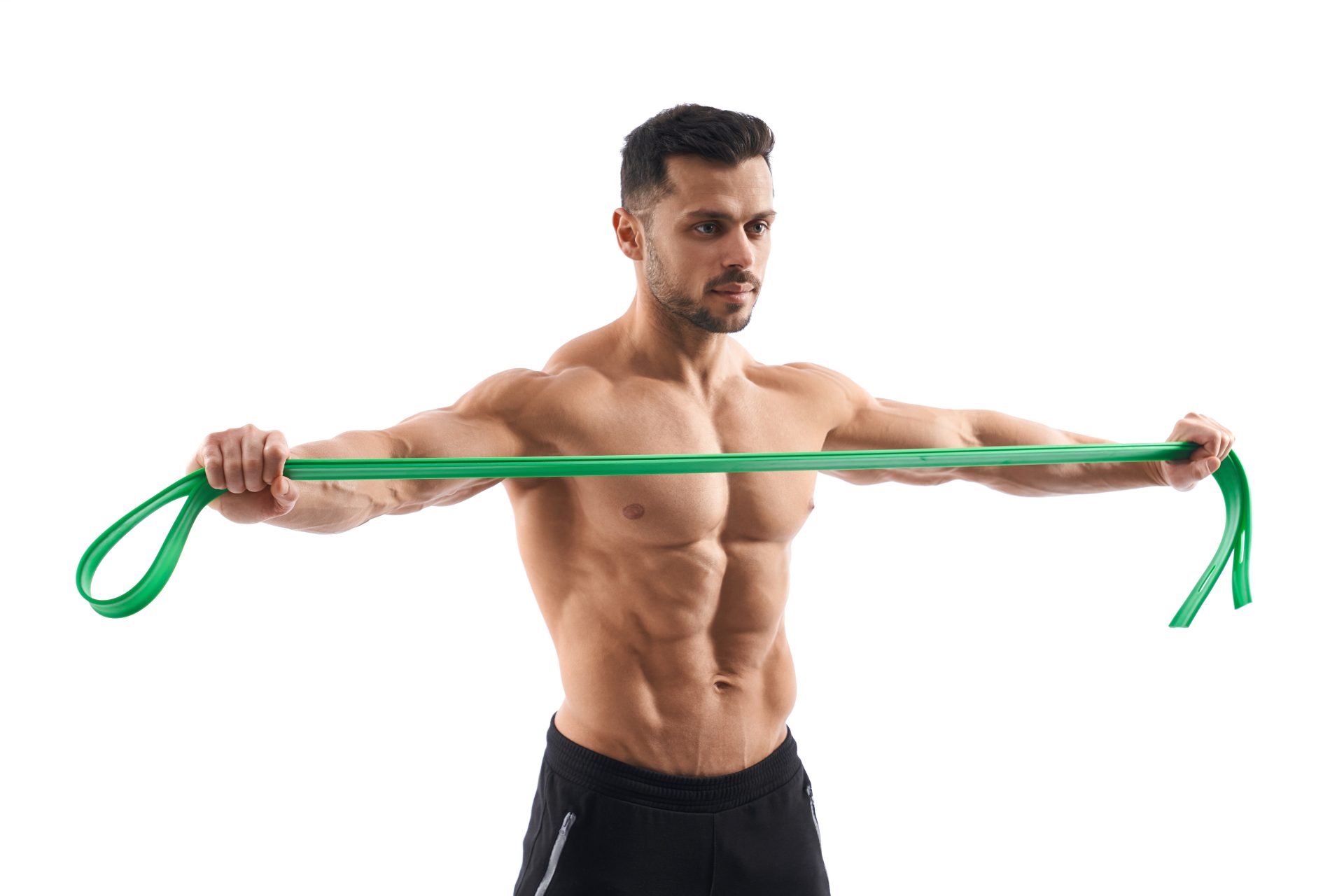
Strength training for lean body is a targeted resistance programme specifically designed to achieve build a lean, toned, and defined physique — not general fitness. Every exercise selection, rep range, and progression is chosen because it directly drives lean body results through the specific mechanism of simultaneous fat reduction and lean muscle maintenance through moderate-intensity resistance training and caloric management. The key distinction from generic training is goal-specificity. A lean body programme differs in its rep ranges, rest periods, exercise selection, and nutritional pairing from muscle-gain or fat-loss programmes. Understanding and applying these differences is what separates a programme that delivers your specific goal from one that delivers average, unfocused results.
Start Your Free 14 Day Trial
Benefit 1: Reduced Body Fat and Improved Muscle Definition
Lean body training reduces overall body fat while maintaining lean muscle — producing the toned, defined appearance that low body fat with preserved muscle creates. Many practitioners report visible definition improvements within 8–10 weeks of consistent training and appropriate nutrition.
Benefit 2: A Firmer, More Athletic Physical Appearance
As fat reduces and muscle is maintained or modestly increased, the body becomes firmer and more shapely — the appearance most practitioners describe as ‘toned’. This transformation comes from the muscle-to-fat ratio improving rather than significant changes in scale weight.
Benefit 3: Elevated Resting Metabolic Rate
Lean body training preserves and slightly increases lean muscle mass — which raises the resting metabolic rate and makes ongoing body weight management progressively easier. Many practitioners find they can eat more without gaining fat as their lean body training continues.
Benefit 4: Improved Confidence, Posture, and Daily Energy
A leaner body composition is consistently associated with improved self-confidence, better posture, and significantly higher daily energy levels — outcomes that many practitioners report as more valuable than the aesthetic changes themselves.
Protein — The Foundation of Lean Body Training
Aim for 1.6–2.2g of protein per kg of bodyweight daily. Best sources include eggs, paneer, chicken, lentils (dal), Greek yoghurt, and whey protein. Distribute protein across 3–4 meals rather than concentrating it in one sitting — consistent protein availability throughout the day maximises muscle protein synthesis for your lean body goals.
Carbohydrates — Fuel for Performance and Recovery
For a lean body goal, carbohydrates are managed at moderate levels — enough to fuel training and recovery without creating a caloric surplus. Prioritise fibre-rich complex carbohydrates (vegetables, legumes, oats) and time carbohydrate intake around training sessions.
Hydration and Micronutrients
Green vegetables provide the micronutrients (Vitamin K, folate, magnesium) that support fat metabolism and muscle maintenance. Omega-3 fatty acids from flaxseeds and walnuts may support the reduction of systemic inflammation that interferes with fat loss. Adequate hydration (2.5 litres daily) prevents the water retention that obscures lean body composition.
Before You Begin — Setting Your Baseline
Assess your starting point before beginning. Can you complete 10 bodyweight squats with full depth? Can you hold a plank for 20 seconds? These are the practical baselines for this programme. Set a specific, measurable lean body goal — not vague but concrete and trackable. Identify available equipment and space. If you have any existing injuries or health conditions, consult your doctor before starting.
Week 1–2: Foundation Phase
Two sessions per week. Focus entirely on movement quality — correct joint alignment, controlled tempo, and full range of motion. Use bodyweight only or very light resistance. The priority in this phase is NOT maximum effort — it is establishing the movement patterns correctly so that when you add resistance in weeks 3–4, your form is already solid. Rushing this phase is the most common beginner mistake.
Week 3–8: Progressive Loading Phase
Add resistance progressively — aim to add one more rep or a small amount of resistance each week. For lean body specifically: work in the 10–15 rep range with moderate load and 45–60 second rest. Track your sessions — a simple weekly note of sets, reps, and resistance makes progression deliberate rather than guesswork.
Week 9+: Goal-Specific Advancement
Introduce advanced training variables: supersets (two exercises back-to-back), tempo manipulation (slower eccentrics for greater muscle stimulus), and periodisation (alternating heavier intensity weeks with lighter deload weeks). At this stage, you should be producing clear, measurable lean body results. If you have plateaued, look at nutrition, sleep, and recovery — these are the most common causes of stalled progress beyond the early adaptation phase.
Exercise 1: Dumbbell or Bodyweight Lunge Variation — Quadriceps, glutes, hamstrings, core | 3 sets × 12–15 reps each leg
Lunges develop lean leg and glute muscles through a functional, single-leg pattern that also challenges balance and core stability. The compound nature of the movement burns significantly more calories than isolated exercises while producing the lean muscle that defines a toned appearance. Beginner modification: Stationary lunge with hands on hips; reduce range of motion until strength develops.
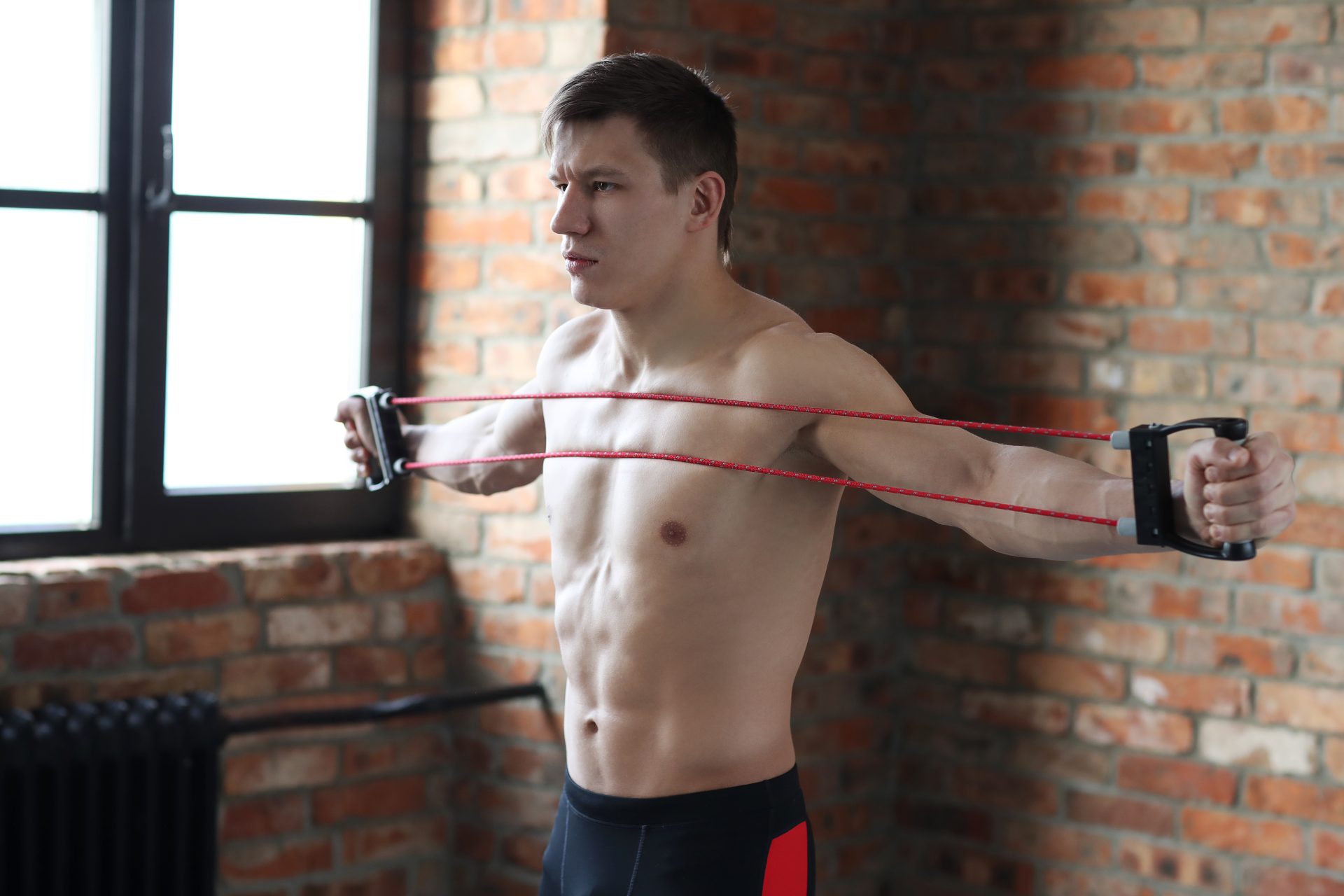
Exercise 2: Resistance Band or Bodyweight Row — Latissimus dorsi, rhomboids, biceps, posterior deltoids | 3 sets × 12–15 reps
A lean back is as important as lean legs for an athletic physique — and most lean body programmes neglect pulling movements. Rows develop the back muscles that create the v-taper appearance and the postural improvement that makes the entire physique look leaner. Beginner modification: Use a resistance band around a door handle; or perform a table-edge row using a sturdy table at home.
Exercise 3: Glute Bridge to Hip Thrust Progression — Glutes, hamstrings, core | 4 sets × 15–20 reps
The glute bridge and hip thrust develop the posterior chain muscles that create the round, toned glute appearance and the upright posture that a lean physique requires. Strong glutes also reduce lower back pain and improve the gait pattern that underlies daily physical confidence. Beginner modification: Perform glute bridge from the floor with both feet; progress to single-leg as strength develops.
Mistake 1: Doing Only Cardio for a Lean Body
Cardio alone produces weight loss but loses muscle alongside fat — resulting in a ‘skinny fat’ appearance (low weight but high body fat percentage) rather than the toned, defined lean physique. Resistance training is essential to preserve and build the lean muscle that gives the body its shape.
Mistake 2: Using Only Light Weights for High Reps
Very light weights with high reps produce minimal muscle-building stimulus — not enough to maintain the lean muscle that creates definition. Use moderate weights (challenging at 12–15 reps) rather than the lightest available load. Progressive challenge is required for lean body development.
Mistake 3: Neglecting the Posterior Chain (Glutes, Back, Hamstrings)
Most lean body programmes focus on front-body exercises (crunches, push-ups, leg raises) while neglecting the posterior chain that creates the athletic, rounded physique most people want. Include equal posterior chain work — deadlifts, rows, and glute bridges — in every session.
Complete Beginners Starting from Zero
Lean body training is one of the most accessible fitness goals — all exercises begin with bodyweight and progress at the individual’s pace. No gym membership or equipment is required to start. Live instructor guidance ensures correct form and appropriate modifications from day one.
Intermediate Trainees Who Have Hit a Plateau
If your physique has changed minimally despite regular exercise, it is almost certainly because the training lacks progressive resistance challenge or the nutritional approach is not supporting fat loss. This programme integrates both — progressive resistance and explicit nutritional guidance.
Those Who Have Tried Lean Body Training Before Without Results
Most lean body failures come from over-relying on cardio, using weights too light to produce a stimulus, or following generic fitness programmes not designed for lean physique development. This programme is specifically structured for lean body outcomes.
Senior Citizens and Older Adults (50+)
Strength training for lean body is particularly valuable for adults over 50. After the age of 40, lean muscle mass naturally declines without resistance training — affecting metabolism, balance, joint health, and physical independence. This programme offers modifications for every exercise that make it safe and accessible regardless of current fitness level. Those with existing health conditions should consult their doctor before starting and inform the live instructor.
Is Strength Training for Lean Body Good for Beginners?
Yes — Yes — lean body training is specifically accessible for beginners because all exercises begin at bodyweight. The movement patterns are foundational, the equipment requirements are minimal, and the results are among the fastest-appearing of any fitness goal.
Habuild is India’s First Habit Building Program for Yoga — and through its ‘Strong Everyday’ programme, it brings the same daily habit-building philosophy to structured strength and fitness training. Every session is specifically designed for your goal, not a generic workout that anyone attends regardless of what they want to achieve.
Goal-Specific Programming — Not a Generic Fitness Class
Every exercise selection, rep range, rest period, and progression in the lean body programme is chosen because it produces lean body results. The programme is structured around the specific physiological mechanism — simultaneous fat reduction and lean muscle maintenance through moderate-intensity resistance training and caloric management — that drives your outcome.
Live Daily Sessions with Real-Time Form Correction
Unlike pre-recorded videos, Habuild’s live daily sessions allow the instructor to observe and correct form in real time — catching the specific errors that prevent lean body progress and increase injury risk. This live correction is the difference between training that works and training that wastes effort.
Progressive Overload Built into Every Session
Members do not need to design their own progressive overload — it is built into the programme structure. Each week, the sessions are deliberately more challenging than the last, ensuring the body continues adapting and results keep coming.
Accountability, Streaks, and Community


Practice Strong Everyday with Trishala Bothra, an IIT-B and London School of Business alumni
Trishala is focused on making movement feel lighter, more engaging, and something you actually look forward to.
In just 3 years, over 50,000 people began their strength journey, and 10,000+ join every week to keep getting stronger.